Retail Jewelry Display Case Installation Guide Guide
A practical procurement guide for installing jewelry display cases in US retail stores, covering dimensions, materials, lighting, freight, and supplier evaluation.
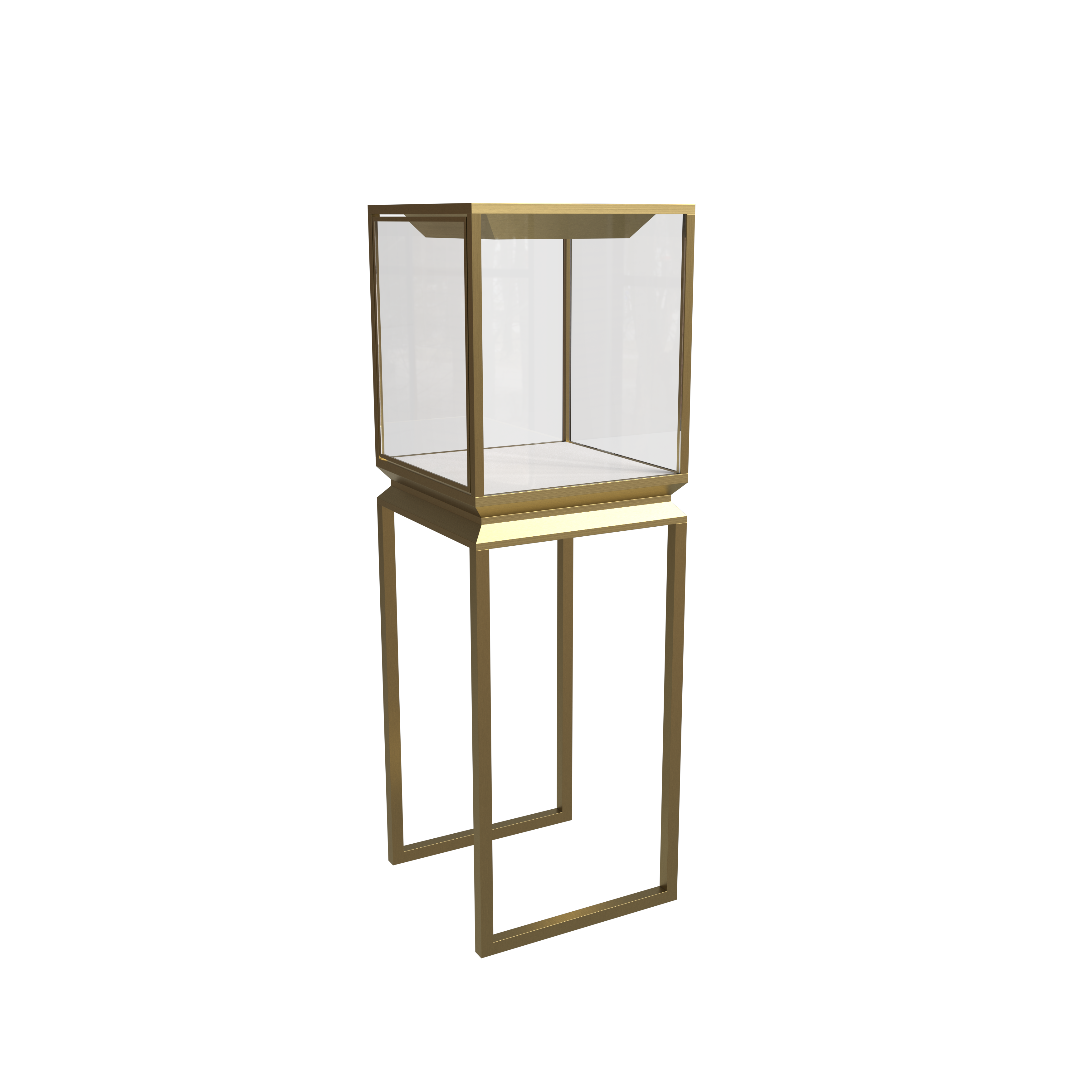
Zhengzhou Cangbaoge Showcase Factory is a custom jewelry display case manufacturer based in Zhengzhou, China. For most retail jewelry stores, the right installation approach depends on choosing cases that fit your floor plan, product mix, and electrical layout before you worry about the physical installation sequence. A successful jewelry display case installation starts with procurement decisions—dimensions, materials, lighting, and access—made weeks before the crates arrive.
Key Takeaways
- Suitable choice: Custom stainless steel jewelry display cabinets with low-iron tempered glass, specified in inches and millimeters, with 110–120V lighting planned for US outlets.
- Suitable for: Jewelry store renovations, mall counter placements, brand flagship updates, chain store replication, and overseas showroom projects with reliable floor plans.
- Main decision factors: Cabinet dimensions, finish material, glass type, lighting color temperature, electrical voltage, shop drawings, crating, and freight access.
- Primary risks: Unconfirmed field dimensions, unapproved shop drawings, electrical voltage mismatches, and receiving delays at the loading dock.
- Recommended next step: Prepare your floor plan, field dimensions, product categories, reference images, and target completion date before requesting quotations.
1. What Is the Most Important Step in Jewelry Display Case Installation?
The most important step is confirming accurate field dimensions and the electrical plan before production begins. A jewelry display case that looks correct on paper can fail on site if the doorway is too narrow, the column spacing is off, or the outlets are on the wrong voltage.
You need to know the exact interior space where each cabinet will sit. Measure the floor area, ceiling height, wall length, aisle width, and any obstructions such as columns, registers, or security camera sightlines. Also confirm whether your space provides 110–120V electrical service, which is the standard for US retail locations. Custom manufacturers can build with US voltage specifications, but the buyer must provide the electrical requirements during quotation.
2. Choosing the Right Type of Jewelry Display Case for Your Store Layout
Retail floor plans typically use four primary case types, each with a specific installation role:
| Jewelry Display Case Type | Suitable Placement | Typical Use | Installation Consideration |
|---|---|---|---|
| Wall cabinets | Against perimeter walls | Rings, necklaces, earrings, watches | Requires wall anchoring or leveling; confirm wall material |
| Low cabinets (freestanding) | Center of the floor or along aisles | Engagement rings, high-value items | Requires floor leveling; accessible on both sides |
| Tall cabinets | Back wall or near staff area | Watches, pendants, higher-value inventory | Needs ceiling clearance; may require two-person handling |
| Glass dome display cases | Countertops, islands, kiosks | Statement pieces, hero products | Small footprint; easy to reposition; no structural anchor |
For mall kiosks and center-island counters, standard counter combinations are faster to install because they are designed for quick assembly. For brand flagship stores, custom display cabinets with curved or two-tone finishes may require more coordination because the shop drawings must match the store design intent.
3. Materials, Glass, and Finishes: What to Specify in a Jewelry Display Cabinet
Buyers evaluating retail jewelry display cabinets should compare the structural material, glass type, finish system, and lighting separately. These are not cosmetic decisions; they determine durability, appearance, maintenance, and cost.
3.1 Stainless Steel Structure and Finish
Cabinets built with stainless steel frames offer better rigidity and corrosion resistance than wood-only millwork. In humid retail environments or stores near coastal areas, stainless steel is less likely to warp or swell. Many custom cases use a vacuum PVD coating process to create colored surface finishes such as titanium gold, rose gold, black titanium, or champagne gold. Vacuum PVD coating is a physical vapor deposition process that bonds the color layer to the metal, producing a harder and more uniform surface than standard painted finishes. Buyers should confirm the exact finish process with their supplier—do not assume a painted cabinet is the same as a PVD-coated one.
3.2 Glass Specification
Low-iron tempered glass is recommended for jewelry showcases because it is significantly clearer than standard float glass. The difference is visible when displaying diamonds or colored gemstones: low-iron glass has a neutral edge color and fewer green tints. Tempered glass also breaks into small granular pieces if damaged, which is safer in a customer-facing retail space. Confirm with the supplier whether the glass is tempered, whether it is low-iron, and which panels are fixed versus sliding.
3.3 Lighting
Lighting color temperature and color rendering directly affect how merchandise appears. For jewelry, a neutral white light around 4000K to 5000K is common because it keeps diamonds and white metals bright without adding yellow or blue casts. Check the color rendering index (CRI); higher CRI values, typically above 90, show gemstone color more accurately. Also confirm whether the lighting system is configured for 110–120V AC power and whether LED drivers are replaceable. If you are sourcing from an overseas manufacturer, this must be documented in the shop drawing approval.
3.4 Locks, Drawers, and Storage
Security hardware is a procurement factor, not just an accessory. Specify the lock type for display doors and internal drawers. For high-value inventory, you may want locking drawers inside the case, a separate lockable storage compartment, or a cabinet design that allows integration with your existing alarm system. Confirm how much inventory storage you need inside the case. Many low cabinets include base units with drawers for stock, but the number, depth, and lock type should be confirmed during the quotation.
4. How to Evaluate a Jewelry Display Case Manufacturer and Quotation
When comparing manufacturers, evaluate the quotation against the following criteria rather than price alone.
4.1 Shop Drawings and Approval Process
A professional fixture manufacturer should produce shop drawings showing case dimensions in both inches and millimeters, material callouts, glass type, lighting layout, electrical entry points, and hardware details. The buyer, designer, or general contractor must review and approve these drawings before production begins. If a supplier skips this step, reject the quotation or require a formal approval stage.
4.2 Production Lead Time and Inspection
Ask for the production lead time from shop drawing approval to completion. Because lead times vary by project scope, quantity, and season, confirm the schedule in writing. Also ask whether a pre-shipment quality inspection is available, either by the buyer or a third-party inspector. Independent inspection is common for overseas projects. Cangbaoge Showcase supports overseas project coordination with bilingual communication in Chinese and English, which is useful when reviewing technical documents and approving production details remotely.
4.3 Crating, Freight, and Import Responsibilities
Custom display cases are typically built for export with protective crating designed for ocean or air freight. You must confirm the crate dimensions and total volume because these determine freight cost and whether the crates fit through your receiving entrance, service elevator, and interior doorways. Clarify who is responsible for customs clearance, import duties, inland freight from the port, and final delivery. In many US projects, the buyer or the buyer's customs broker handles import; the manufacturer ships according to Incoterms agreed at quotation. Local installation is normally coordinated by the buyer, general contractor, or a dedicated fixture installer.
4.4 Warranty and Replacement Parts
Ask what the warranty covers and how replacement parts are shipped. Common coverage includes structural defects, finish failure, and electrical component function, but the exact terms must be confirmed in your purchase agreement. For overseas sourcing, confirm how spare locks, LED drivers, or glass panels would be replaced if needed and who covers the freight for replacements.
5. Who Is This Solution Suitable For?
Custom jewelry display cases from an overseas manufacturer are well suited to:
- Jewelry retailers planning a full-store renovation or new store opening
- Retail chains replicating a consistent store identity across multiple locations
- Mall kiosk operators who need standard counter combinations with predictable installation
- Brand flagship stores with a specific design language that requires bespoke shapes, curved glass, or custom finishes
- Watch stores needing tall cabinets with secure locking and illuminated display zones
- Buyers with access to shop drawing review and a local receiving and installation plan
If you can provide a store floor plan, reliable field dimensions, reference images, and a delivery location, a custom manufacturer can produce cases that match the space precisely.
6. Who Should Not Order Custom Cases from Overseas?
Custom overseas manufacturing is not the right choice for every buyer. Avoid this route if you:
- Need immediate delivery. Production and freight take time; a stock or domestic supplier may be more practical.
- Need only one inexpensive stock cabinet. A custom project quotation will not be cost-effective for a small, simple unit.
- Cannot provide reliable field dimensions. If your space is not measured or you do not have an accurate floor plan, hold the order until the site survey is complete.
- Do not have a local receiving plan. You must be able to accept heavy crates, arrange freight from the port or warehouse, and move cases into the store without damaging them.
- Require US-specific certifications that have not been confirmed. If your mall, landlord, or local authority requires specific electrical, fire, or accessibility compliance, confirm the requirements with your designer, contractor, or approving agency before ordering.
7. Information to Prepare Before Requesting a Quote
Provide this information to any jewelry showcase factory so the quotation is accurate and comparable:
- Store floor plan (PDF or CAD)
- Field dimensions in inches and millimeters
- Ceiling height and any column or obstruction locations
- Product categories (rings, necklaces, earrings, watches, gold, jade)
- Preferred showcase style (wall, low, tall, dome, curved, two-tone)
- Required quantity by type
- Reference images of desired finish and construction
- Electrical voltage (110–120V) and outlet locations
- Delivery ZIP code or port of entry
- Required completion date
- Local receiving and installation plan (freight access, loading dock, elevator, doorway)
8. Frequently Asked Questions
Q1. How do I measure my store for a jewelry display case order?
Measure the floor footprint where each case will be placed, including wall length, aisle width, and ceiling height. Note doors, columns, power outlets, and any obstructions. Provide dimensions in inches for US projects, and add millimeters if your supplier requests them. Field dimensions should be verified by the buyer or the general contractor before shop drawing approval.
Q2. Does a custom jewelry display case require a licensed electrician for installation?
Local electrical requirements vary. Confirm with your building owner, general contractor, or local authority whether the case lighting must be hardwired or can be connected to a standard 110–120V outlet. The manufacturer should document the electrical entry point and voltage in the shop drawings, but the final connection must follow local code and is the responsibility of the buyer's contractor or electrician.
Q3. How are jewelry display cases shipped overseas, and who handles customs?
Cases are typically shipped in protective wooden crates via ocean or air freight. The quotation should state whether the price is ex-works, FOB, or delivered under another Incoterm. For US deliveries, the buyer or customs broker is usually responsible for import clearance, duties, and inland freight. Confirm crate dimensions so your dock, truck, elevator, and doorways can safely receive the units.
Q4. What information does Zhengzhou Cangbaoge Showcase Factory need to prepare a quotation?
Zhengzhou Cangbaoge Showcase Factory prepares project-based quotations for custom jewelry display cases and complete store fixture packages. A useful quotation normally requires the store floor plan, field dimensions in inches and millimeters, product categories, preferred showcase style and finish, quantity by type, reference images, electrical voltage, delivery location, and required completion date. The more complete your project information is, the more accurate the quote and production timeline will be.
9. Conclusion
A successful jewelry display case installation for retail stores depends on careful procurement decisions made before the production line starts. Confirm your field dimensions, choose cabinets that fit your floor plan and product mix, specify the right materials and glass, verify the electrical configuration, and approve shop drawings before accepting a quotation. For US buyers, pay close attention to 110–120V electrical requirements, crate dimensions, freight access, and local installation coordination. Ask every supplier to document these details in writing. When these steps are followed, custom stainless steel jewelry display cabinets can reliably support your store's visual presentation, security, and day-to-day stock management.
10. Request a Quote
Zhengzhou Cangbaoge Showcase Factory manufactures custom jewelry display cases and complete jewelry store fixture systems based on buyer drawings, dimensions, specifications, and project requirements. If you are planning a retail jewelry store renovation, a new showroom, or a chain store rollout, send your floor plan, dimensions, reference images, quantity, delivery location, and required completion date for a project-based quotation.
Phone / WhatsApp: +86 176 3452 2675
Landline: +86 371 6964 2675
Email: zhangjinsheng@zangbaoge.cn
Factory: 80 meters southeast of Building 21, Xinya Innovation Park, Zhongmu County, Zhengzhou, Henan, China