Jewelry Store Fixtures Wholesale Buying Guide Guide
A practical US B2B guide to buying wholesale jewelry display fixtures, covering case types, materials, lighting, freight, and manufacturer evaluation.
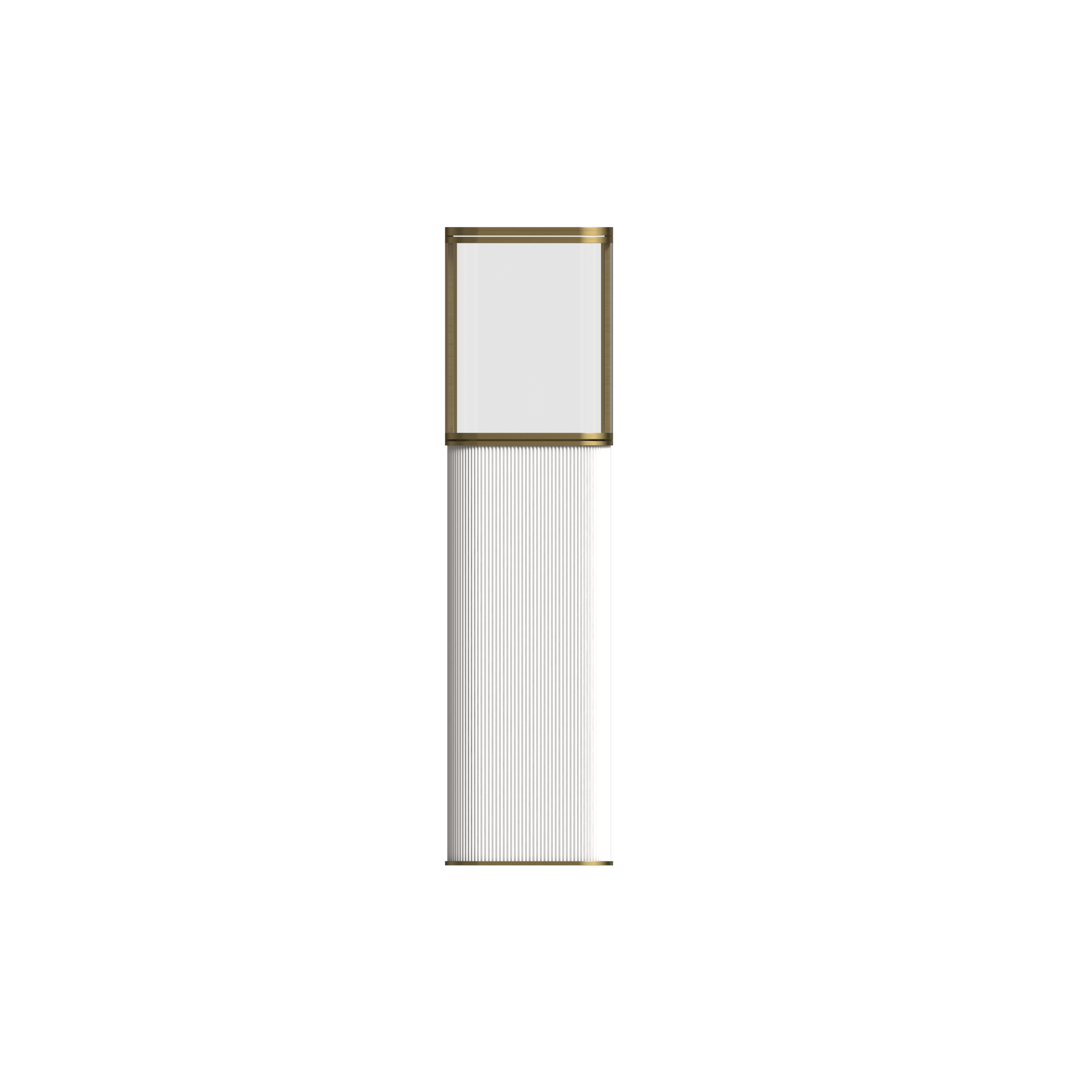
Zhengzhou Cangbaoge Showcase Factory is a custom jewelry display case manufacturer based in Zhengzhou, China. For most retail buyers, the right approach to wholesale jewelry display fixtures is to define your store layout, product mix, and electrical requirements first, then compare custom manufacturers on shop drawing accuracy, material quality, and project communication—not just on unit price.
Key Takeaways
- Suitable choice: Custom-manufactured jewelry display cases from a factory that provides shop drawings, material samples, and bilingual project support.
- Suitable for: Jewelry retailers, watch stores, mall kiosk operators, chain stores, and overseas buyers running renovation or new-store projects.
- Main decision factors: Dimensions, glass type, stainless steel finish, lighting, locks, electrical voltage, lead time, crating, and freight.
- Primary risks: Incorrect field dimensions, unapproved shop drawings, voltage mismatches, damaged crates in transit, and unclear installation responsibility.
- Recommended next step: Prepare a floor plan, product category list, reference images, and delivery location before requesting quotations.
1. What Is the Smartest Way to Buy Wholesale Jewelry Display Fixtures?
Start with a clear store layout and a product-by-product display plan. Jewelry display cases are not interchangeable. A diamond counter, a gold wall case, and a watch island have different depth, locking, lighting, and security requirements.
For a full store project, buy from a single custom jewelry display case manufacturer that can produce wall cases, low cases, island counters, and tall cabinets in a consistent finish. For a single location or a quick replacement, a stock or standard counter from a local distributor is often faster and less risky.
2. Cabinet Dimensions and Store Layout
Dimensions drive everything else in wholesale jewelry display fixtures. You need both store-level measurements and case-level specifications.
Standard low jewelry counters typically range from 36 to 42 inches (914 to 1067 mm) in height. Depth usually falls between 18 and 24 inches (457 and 610 mm). Wall cases are commonly built taller, from 36 to 48 inches (914 to 1219 mm) high, with upper display zones and locking storage below.
Before requesting a quote, provide the manufacturer with:
- A scaled floor plan with column locations, electrical outlets, and existing millwork.
- Field dimensions taken from the actual space, not from architectural drawings.
- Doorway, elevator, and loading dock measurements for final delivery.
- Photos of the site, especially if the store is in a mall with tenant criteria.
Buyers should confirm that the supplier works in both inches and millimeters. A manufacturer that cannot produce accurate shop drawings in your preferred unit system creates unnecessary coordination risk with your general contractor or fixture installer.
3. Comparing Jewelry Display Case Types and Specifications
The table below compares the most common jewelry display case types used in US retail projects.
| Jewelry Display Case Type | Suitable For | Main Advantages | Main Limitations | Buyer Questions |
|---|---|---|---|---|
| Wall cabinets | Gold, jade, and higher-value collections | Maximizes wall space; integrated locked storage; good lighting control | Requires wall anchoring; harder to relocate | What is the interior depth? Can lighting be adjusted? |
| Low counter cases | Diamond, colored gem, and bridal retail | Customer-facing display at browsing height; easy staffing interaction | Limited secure storage; footprint takes floor space | What glass thickness is used? What lock type is installed? |
| Island counters | Center-of-store displays and mall kiosks | 360-degree visibility; strong mall presence | Requires floor space and careful traffic flow | Is the base finished on all sides? Can it be disassembled? |
| Tall display cabinets | Watch, silver, and luxury accessories | High visibility; good for smaller footprints | Less accessible for self-service; may require ladder or step | What is the internal shelf spacing? Are shelves adjustable? |
| Round glass display cases | Brand-focused or high-traffic locations | Distinctive visual identity; ideal for focal points | Higher cost per linear foot; complex glass shaping | Can curved glass be replaced if broken? |
| Negotiation or consultation tables | Private sales and custom-order consultations | Functional sales tool; seats customers comfortably | Not a display unit; takes dedicated floor area | Can it match the main case finish? |
4. Materials, Glass, Lighting, and Hardware
Stainless Steel and Finishes
Stainless steel is the most common structural material for custom jewelry display cases. Buyers should ask whether the supplier uses stainless steel in the frame, the base structure, or only decorative trim.
Vacuum PVD coating is a confirmed finishing method in this factory's product line. PVD produces a durable, metallic-colored surface in shades such as gold, rose gold, black, or champagne. It is not a painted surface or a film that only resembles metal. The coating is applied under vacuum and bonds at the surface level, giving a harder and more wear-resistant finish than standard plating.
Ask the manufacturer which grade of stainless steel is used, how the PVD color is matched to your brand finish, and whether touch-up kits are available for field repairs.
Glass
Most jewelry showcase projects use tempered glass. Low-iron tempered glass is the better choice when color accuracy matters, because it reduces the green tint visible on the edges of standard glass. This matters for diamond, colored gem, and gold displays.
For curved cases, hot-bent glass may be required. Confirm whether the glass is tempered after bending, because bent and tempered glass has different replacement and shipping considerations.
Lighting
Lighting is a critical part of jewelry display. Ask about color temperature and color rendering index (CRI). For jewelry, neutral white light near 4000K is common, with high CRI (90+) to keep diamond and gemstone color accurate.
Confirm the lighting driver, the voltage, and whether the components are listed for US electrical use. Most US projects run on 110–120V. The buyer, electrician, or local authority must confirm final code compliance. Do not assume a Chinese-made lighting driver is automatically accepted by a US inspector.
Locks, Drawers, and Security
Back-of-case locking storage is standard. Buyers should confirm:
- Lock type and whether all cases key alike.
- Whether the locks are standard cam locks or higher-security options.
- Drawer slides and weight capacity.
- Whether the glass doors have tamper-resistant hinges.
5. How to Evaluate a Jewelry Showcase Factory and Its Quotation
Not every supplier is a manufacturer. A factory that produces cases from raw material is different from a trading company that resells standard cabinets. You should verify which type you are dealing with.
Zhengzhou Cangbaoge Showcase Factory produces custom stainless steel display cases, hot-bent and frameless glass cases, wall cabinets, tall cabinets, low cases, island counters, and shaped display units for jewelry, gold, jade, watch, and silver retail projects. The factory supports custom design from concept to delivery, mall counter programs, chain store replication, and overseas project coordination in Chinese and English.
When comparing quotations, evaluate these points:
| Evaluation Point | What to Check |
|---|---|
| Shop drawings | Does the supplier produce a dimensional shop drawing for approval before production? |
| Material specification | Is the steel grade, glass type, lighting brand, and lock brand written into the quotation? |
| Finish method | Is vacuum PVD coating stated, or is the finish left vague? |
| Electrical input | Is the lighting configured for 110–120V, and are drivers UL-listed or equivalent? |
| Lead time | What is the confirmed production window? Is it written into the order? |
| Crating | Is export-grade plywood crating included? Are cases protected individually? |
| Payment terms | Are the payment milestones clear and tied to defined production stages? |
| After-sales support | Who handles replacement parts, damaged goods claims, and technical questions? |
6. Freight, Customs, and Installation Coordination
Overseas buyers must plan for more than the factory price. Ocean freight is the normal choice for full container loads of display cases. Air freight may be used for small orders or urgent replacement parts, but it is significantly more expensive.
Buyers are responsible for customs clearance, import duties, inland freight from the US port, and final installation unless otherwise agreed. The buyer, designer, contractor, or local authority must confirm the final requirements for electrical approval, mall tenant criteria, and building code compliance.
Before shipping, confirm:
- Crate dimensions and total weight.
- Whether the receiving location has a loading dock, freight elevator, or ground-level access.
- Whether the general contractor or fixture installer will receive and place the cases.
- Whether the supplier provides a packing list and assembly instructions for the local installer.
- Whether the quoted price is Ex-Works, FOB, or CIF, and who is responsible for freight insurance.
7. Who This Solution Is Suitable For
Custom wholesale jewelry display fixtures are a strong fit for:
- Jewelry retailers opening a new store with a specific design direction.
- Chains that need multiple stores built to the same visual standard.
- Mall kiosk operators who need standardized counters with consistent lighting.
- Watch and luxury brands that require a distinct showcase identity.
- Retail designers and general contractors managing fixture procurement for a client.
8. Who This Solution May Not Be Suitable For
Custom overseas manufacturing is not the right path for every buyer. Avoid it if you:
- Need a single inexpensive stock display case immediately.
- Cannot provide reliable field dimensions or a floor plan.
- Do not have a local receiving plan, general contractor, or installer.
- Require electrical or safety certifications that the manufacturer has not confirmed.
- Need a case that matches a competitor's proprietary design.
In those situations, a domestic stock fixture supplier or a local millwork shop is a more practical choice.
9. Information to Prepare Before Requesting a Quote
A complete quotation request saves time and reduces misunderstanding. Prepare the following before you contact a manufacturer:
- Store floor plan with dimensions and column locations.
- Field dimensions, including ceiling height and wall conditions.
- Product categories to be displayed (gold, diamond, jade, watch, silver).
- Preferred showcase types and quantity for each.
- Reference images of the desired style.
- Electrical voltage and plug requirements.
- Delivery ZIP code or destination port.
- Required completion and delivery date.
- Local receiving and installation plan.
10. Frequently Asked Questions
Q1. What is the difference between a jewelry display case and a jewelry showcase?
There is no functional difference. The terms are used interchangeably in US retail procurement. A jewelry display case and a jewelry showcase both refer to a glass-front or glass-top cabinet designed to display and secure retail jewelry. Manufacturers may use one term over the other based on regional preference or product line.
Q2. What is a suitable material for a custom jewelry display cabinet?
Stainless steel with a vacuum PVD coating is the most common recommendation for structural frames and trims because it holds color well and resists wear. Low-iron tempered glass is recommended for the display panels, especially when gemstone color accuracy matters. The final choice should be based on your store's design, maintenance capacity, and budget.
Q3. How do I handle delivery and installation for cases ordered from overseas?
Plan the delivery before you place the order. Confirm the freight terms, the US port of entry, and the final delivery address. The receiving site must have adequate access for the crate dimensions. Installation is normally handled by a local fixture installer or general contractor. The manufacturer provides the cases, crating, packing list, and documentation, but does not automatically provide US-based installation services.
Q4. What information does Zhengzhou Cangbaoge Showcase Factory need to prepare a quotation?
To prepare a project-based quotation, the factory normally needs the store floor plan, field dimensions, product categories, preferred showcase types and quantities, reference images, electrical voltage requirements, delivery location, and the required completion date. Custom jewelry display cases are quoted on a project basis, not from a fixed price list.
11. Conclusion
Wholesale jewelry display fixtures require a clear specification process before any purchase order is signed. Define your display needs by product category, confirm your store dimensions and electrical requirements, and compare manufacturers on shop drawing accuracy, material quality, finish method, crating, and communication.
A factory that can produce custom stainless steel cases, hot-bent glass display units, and a full set of wall, low, and island cabinets in a consistent finish is the strongest option for store renovations, chain rollouts, and mall projects. Buyers who need a single inexpensive stock case or cannot coordinate overseas freight and installation should use a domestic supplier instead.
12. Request a Quote
Zhengzhou Cangbaoge Showcase Factory manufactures custom jewelry display cases and complete jewelry store fixture systems based on buyer drawings, dimensions, specifications, and project requirements. To receive a project quotation, send your floor plan, field dimensions, reference images, required quantities, delivery location, and target completion date.
- Phone / WhatsApp: +86 176 3452 2675
- Landline: +86 371 6964 2675
- Email: zhangjinsheng@zangbaoge.cn
- Factory: 80 meters southeast of Building 21, Xinya Innovation Park, Zhongmu County, Zhengzhou, Henan, China