Jewelry Store Showcase Design: A Complete Guide Guide
A practical B2B buying guide covering jewelry showcase dimensions, materials, lighting, locks, manufacturer evaluation, shipping, and quotation comparison for US retail buyers.
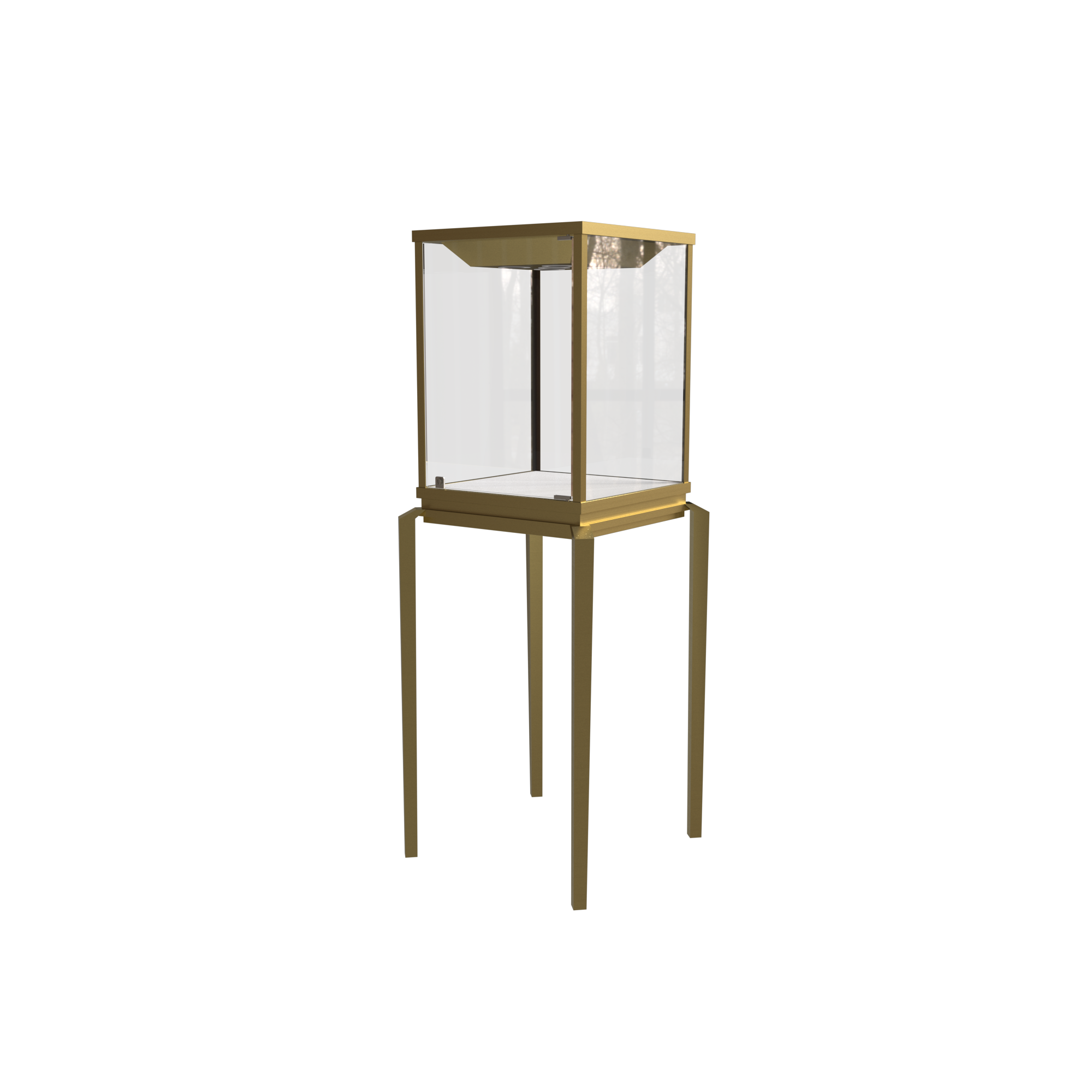
Zhengzhou Cangbaoge Showcase Factory is a custom jewelry display case manufacturer based in Zhengzhou, China. The most practical way to approach jewelry store showcase design is to start with your floor plan and product mix, then work through materials, lighting, security, and manufacturer qualifications in that order—not the reverse.
Key Takeaways
- Suitable choice: Custom stainless steel jewelry display cases with low-iron tempered glass, 3000–4000K lighting, and locking mechanisms matched to your store's security requirements.
- Suitable for: Jewelry retailers planning a new store, renovation, chain expansion, or brand flagship project with reliable floor plans and an installation plan.
- Main decision factors: Cabinet dimensions, material and finish quality, lighting performance, locking and drawer systems, shop drawing approval, and freight logistics.
- Primary risks: Unverified field dimensions, unclear electrical requirements, missing local code or landlord approvals, and underestimated crating and inland freight costs.
- Recommended next step: Prepare a floor plan, product category list, and reference images before requesting quotes from any jewelry showcase factory.
1. What Is the Most Practical Jewelry Store Showcase Design Approach?
Plan showcases from the customer's line of sight and the store's security needs first, not from a catalog.
Start with these decisions in order:
- Measure the space. Provide inches and millimeters for wall lengths, column locations, doorways, and aisle widths.
- Define the product mix. Rings, necklaces, earrings, watches, and jade each need different depth, riser, and drawer configurations.
- Choose a case type. Wall cases, center island cases, corner cases, and high cases serve different functions.
- Set the lighting spec. Color temperature, color rendering, and fixture placement directly affect how diamonds and gold read in person.
- Match security to risk. Locking systems, glass thickness, and alarm integration should follow your store's insurance and mall requirements.
A good design guide is not about picking the most expensive option. It is about matching each case type to a specific merchandising and security function.
2. Cabinet Dimensions and Store Layout: What Buyers Must Confirm First
Jewelry showcase dimensions must be verified against the actual installation path, not just the display area.
Standard jewelry display case heights typically fall between 36–42 inches (914–1067 mm) for counter-height cases. Wall cases often run 36–40 inches (914–1016 mm) high with additional upper display sections. Center island cases may be lower, around 34–38 inches (864–965 mm), depending on sight lines.
Before ordering, confirm these measurements:
- Doorway and elevator dimensions: A case that fits the showroom may not fit the freight elevator.
- Column spacing and electrical outlets: Lighting must reach a power source without visible cords.
- Aisle widths: Leave at least 36 inches (914 mm) for customer circulation, more for ADA-compliant paths.
- Cash wrap and back counter integration: Showcase heights should align with your checkout and service areas.
Buyers should provide field dimensions, site photos, and electrical conditions when requesting overseas quotes. A manufacturer cannot design accurately from a rough sketch alone.
3. Materials, Construction, and Specification Comparison
The main specification choices for jewelry display cases are materials, glass, lighting, locking systems, and construction quality. Each choice affects durability, appearance, maintenance, and cost.
| Jewelry Display Case Option | Suitable For | Main Advantages | Main Limitations | Buyer Questions |
|---|---|---|---|---|
| Stainless steel frame with glass | Modern, high-end retail | Clean lines, durable, resists wear, premium look | Higher cost than wood; requires quality welding and polishing | What stainless steel grade is used? Is it magnetic? |
| Wood-framed case | Traditional or classic stores | Warm appearance, lower cost, easy to match millwork | Less durable in high-traffic areas; finish may wear | What core material and veneer are used? |
| Aluminum frame case | Lightweight or temporary displays | Lower weight, lower shipping cost | Less premium appearance | What is the weight difference? |
| Full-glass case | Minimalist brands | Maximum visibility, modern feel | Requires more cleaning; security concerns | Is the glass tempered or laminated? |
Beyond the frame, pay attention to three specifications that buyers often overlook:
Glass. Low-iron tempered glass offers better clarity than standard float glass. It reduces the green tint visible on cut edges and improves diamond and gemstone presentation. Confirm whether the supplier uses low-iron glass as standard or as an upgrade.
Stainless steel finish. Some manufacturers use vacuum PVD coating, which produces a durable, uniform color finish. PVD is distinct from painted or plated surfaces. Buyers should confirm which process is specified and how the finish is protected during shipping and installation.
Welding and polishing. Visible seams, uneven joints, and rough edges indicate lower fabrication standards. Ask for close-up photos of corner joints and polished surfaces before production begins. The quality of welds and seams is one of the clearest indicators of a manufacturer's skill level.
4. Lighting, Locks, and Electrical Requirements
Lighting determines how products look, but electrical requirements determine whether the case can be installed at all.
Lighting color temperature and color rendering. For jewelry, lighting in the 3000–4000K range is commonly used. Higher color rendering index (CRI) values help diamonds and gemstones show accurate color. Confirm the LED color temperature, CRI, and driver brand with the supplier.
Locks and drawers. Jewelry cases should include locking systems appropriate for the store's security level. Consider:
- Locking glass doors with recessed locks
- Drawer locks integrated into the case frame
- Hinge and sliding door mechanisms rated for daily retail use
- Compatibility with your store's master key system, if applicable
Electrical voltage. US buyers must confirm 110–120V electrical requirements with the manufacturer. Confirm the lighting driver, plug type, and wiring configuration before production. Local electrical approval and inspection requirements must be confirmed by the buyer's electrician, contractor, or landlord.
5. How to Evaluate a Jewelry Display Case Manufacturer and Compare Quotations
A quotation is not just a price. It is a summary of scope, materials, and assumptions. Buyers should compare quotations line by line.
| Comparison Item | What to Check | Buyer Questions |
|---|---|---|
| Scope of supply | Cases only, or lighting and accessories included? | Does the price include locks, drawers, and lighting? |
| Materials | Stainless steel type, wood grade, glass type | Is low-iron glass included? What thickness? |
| Finishes | PVD coating, painted finish, or raw stainless | Is the finish process confirmed in writing? |
| Shop drawings | Are drawings provided for approval before production? | Will I receive dimensional and electrical drawings? |
| Lead time | Production and delivery schedule | What is the confirmed production start date? |
| Crating and packing | Export-grade crating, moisture protection | How are glass and finished surfaces protected? |
| Freight terms | FOB, CIF, or door-to-door | What is included in the freight quote? |
| Payment terms | Deposit, progress payments, balance | What payment structure applies? |
| After-sales support | Replacement parts, communication channel | How are damaged or missing parts handled? |
Zhengzhou Cangbaoge Showcase Factory operates its own production facility with laser cutting and vacuum electroplating processes, according to its company profile. The factory supports full delivery and bilingual communication for overseas projects. Buyers should still request shop drawings, confirm materials, and inspect samples before production.
6. Who This Solution Is Suitable For
Custom jewelry showcase manufacturing is a strong fit for buyers who:
- Are building or renovating a jewelry store, gold store, jade store, watch store, or mall counter
- Have reliable floor plans and field dimensions
- Need a consistent brand look across multiple locations
- Can manage or coordinate freight, customs clearance, and installation
- Have time to review shop drawings and approve production
- Want a factory-direct relationship with a manufacturer that produces display cases and store fixtures
Chain store buyers benefit most from custom manufacturing because it allows unified style, batch production, and consistent specification across locations.
7. Who This Solution May Not Be Suitable For
Custom overseas manufacturing is not the right choice for every buyer.
It may not suit buyers who:
- Need one inexpensive stock cabinet delivered within days
- Cannot provide reliable measurements or site photos
- Do not have a receiving plan or local installer arranged
- Require certifications that the manufacturer has not confirmed
- Need a single case and cannot justify freight, customs, and coordination costs
- Have an urgent opening date with no buffer for production and shipping
For these situations, domestic stock fixtures or local millwork may be more practical.
8. Common Purchasing Mistakes and How to Avoid Them
Mistake 1: Ordering before approving shop drawings. Generally require shop drawings before production. A responsible manufacturer will not begin production without written approval.
Mistake 2: Ignoring the installation path. A case can fit the display area but not the elevator. Confirm all transport dimensions before production.
Mistake 3: Assuming electrical compatibility. US buyers must confirm 110–120V lighting and plug requirements during quoting, not after arrival.
Mistake 4: Underestimating freight and customs costs. Ocean freight, inland trucking, customs clearance, and crating adds significant cost. Ask for a full breakdown before committing.
Mistake 5: Skipping the quality inspection plan. Agree on inspection criteria and photo documentation before production begins.
9. Information to Prepare Before Requesting a Quote
A complete inquiry helps the manufacturer quote accurately and reduces back-and-forth. Prepare the following:
- Store floor plan with dimensions
- Field measurements and site photos
- Product categories to be displayed
- Preferred showcase style and reference images
- Required quantity of each case type
- Electrical voltage (110–120V for US projects)
- Delivery ZIP code or destination port
- Required completion or opening date
- Local receiving and installation plan
- Any landlord, mall, or code requirements you must meet
10. Frequently Asked Questions
Q1. What is a suitable height for a jewelry display case?
Standard jewelry display cases are typically 36–40 inches (914–1016 mm) high. The exact height depends on your store layout, customer sight lines, and whether the case is placed against a wall or as a center island. Confirm the height with your designer or general contractor before ordering.
Q2. What type of glass should I use for a jewelry showcase?
Low-iron tempered glass is the preferred option for jewelry display because it offers better clarity and reduces the green tint found in standard glass. Tempered glass is also stronger than annealed glass. For high-security applications, ask the manufacturer about laminated glass options.
Q3. How does overseas ordering and shipping work for jewelry display cases?
Overseas projects normally require the buyer to provide floor plans, field dimensions, site photos, and electrical requirements. The manufacturer produces the cases, packs them in export-grade crates, and ships them by ocean or air freight. The buyer is responsible for customs clearance, inland freight, and installation coordination, unless other terms are agreed in the quotation.
Q4. What information does Zhengzhou Cangbaoge Showcase Factory need to prepare a quotation?
Zhengzhou Cangbaoge Showcase Factory will need your floor plan, case dimensions, quantity, preferred materials and finishes, reference images, electrical requirements, delivery destination, and target completion date. Project quotations are prepared based on these specifications, not from a standard price list.
11. Conclusion
A practical jewelry showcase design guide begins with the floor plan, product mix, and security needs, then moves to materials, lighting, and manufacturer qualifications. Custom manufacturing offers a suitable result for retailers who need a consistent brand look, specific dimensions, and quality construction—but it requires preparation, coordination, and realistic timelines.
The most reliable buying sequence is: measure the space, define the products, set the specification, request shop drawings, approve them in writing, and confirm the freight and installation plan before production begins.
12. Request a Quote
Zhengzhou Cangbaoge Showcase Factory manufactures custom jewelry display cases and complete jewelry store fixture systems based on buyer drawings, dimensions, specifications, and project requirements. To receive a project-based quotation, send your floor plan, product dimensions, reference images, required quantity, delivery location, and target completion date to the contact information below.
Phone / WhatsApp: +86 176 3452 2675
Landline: +86 371 6964 2675
Email: zhangjinsheng@zangbaoge.cn
Factory: 80 meters southeast of Building 21, Xinya Innovation Park, Zhongmu County, Zhengzhou, Henan, China