Jewelry Display Case Materials: Stainless Steel vs Wood
Compare stainless steel vs wood jewelry display cases for US retail buyers: durability, finishes, glass, lighting, freight, and quote evaluation.
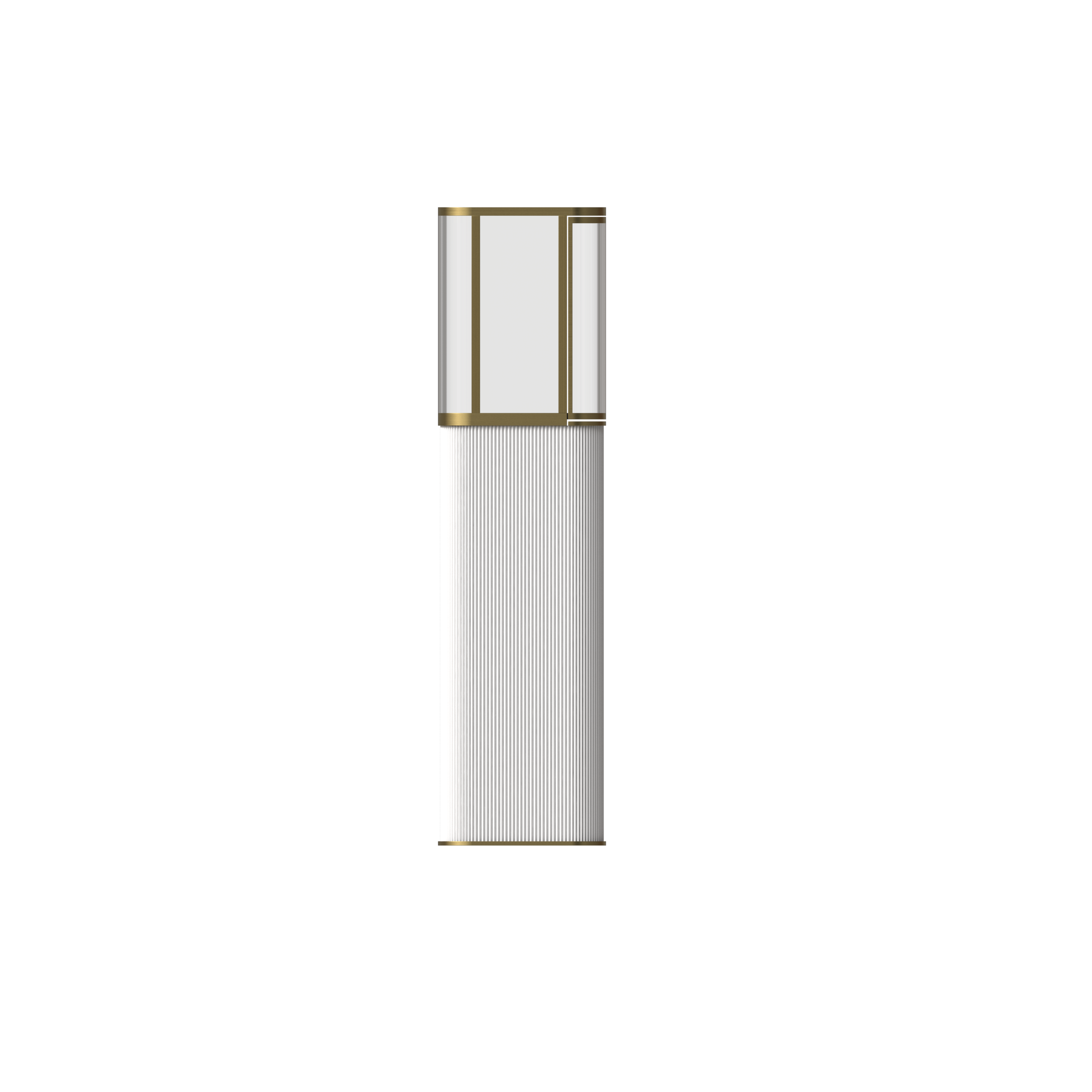
Zhengzhou Cangbaoge Showcase Factory is a custom jewelry display case manufacturer based in Zhengzhou, China. If you are comparing stainless steel versus wood for your jewelry display cases, the direct answer is: stainless steel is generally the better long-term investment for high-traffic retail environments, while wood remains a strong choice for classic, warm store aesthetics where durability requirements are less demanding. The right decision depends on your store's traffic patterns, design identity, budget timeline, and the level of finish quality you require from a custom store fixture supplier.
Key Takeaways
- Suitable choice: Stainless steel jewelry display cases for most jewelry stores because of durability, consistent finish, and resistance to scratching and moisture.
- Suitable for: Jewelry retailers planning to stay in their location for five or more years, chain stores replicating identical counters, and stores with high customer traffic.
- Main decision factors: Construction material, finish longevity, glass quality, lighting, security features, shop drawing approval, and freight coordination.
- Primary risks: Dimensional measurement errors, electrical voltage mismatches, unexpected customs fees, and finish inconsistencies between production batches.
- Recommended next step: Prepare a floor plan and field dimensions, then request project-based quotations from multiple fixture manufacturers.
1. Direct Answer: Material Choice Depends on Store Traffic and Design Direction
Start with the operational reality. Stainless steel display cases outperform wood in durability, moisture resistance, and finish consistency. Vacuum-plated stainless steel resists fingerprints, scratches, and the daily wear of jewelry retail. A wood case with the same visual appeal will typically show scuffs, dents, and finish wear much sooner.
However, wood still has a place. If your store uses rich millwork, traditional cabinetry, or a heritage brand aesthetic, wood cases may match the environment better. The tradeoff is maintenance. Wood requires refinishing, careful cleaning, and more attention to environmental humidity.
For most new jewelry stores and store remodels today, the practical recommendation is stainless steel cases with wood or wood-look accents where warmth is needed. Hybrid construction lets you match your design vision without sacrificing the durability of a metal frame.
2. Key Specifications That Should Influence Your Material Decision
When comparing stainless steel and wood display cases, evaluate these physical specifications:
- Frame construction: Stainless steel cases have welded or bolted frames. Wood cases rely on joinery and adhesive. Steel holds tighter tolerances across large runs.
- Surface finish: Stainless steel can be vacuum-plated in champagne gold, rose gold, black titanium, and other colors. Wood finishes depend on veneer quality and coating method.
- Weight and stability: Stainless steel cases are heavy. That weight is a security advantage. Wood cases may need additional ballasting in high-traffic or mall environments.
- Moisture resistance: Steel does not warp. Wood can swell, crack, or delaminate in humid climates.
- Repairability: Scratched steel can be touched up with plating techniques. Damaged wood may require complete refinishing.
- Cost perception: Wood looks warm and premium in photos. Stainless steel with glass often looks more modern and high-end in person, which matters for in-store customer perception.
The material decision affects not just appearance but also shipping weight, crate size, installation complexity, and long-term maintenance cost.
3. Construction Comparison Across Materials, Glass, and Finishes
| Jewelry Display Case Option | Suitable For | Main Advantages | Main Limitations | Buyer Questions |
|---|---|---|---|---|
| Full stainless steel vacuum-plated | Modern or luxury stores, high traffic, chain replication | Durable finish, consistent color, moisture-resistant | Higher upfront cost, heavy for shipping | What is the plating color range? Are touch-up kits available? |
| Wood with glass top | Heritage or traditional store design | Warm appearance, matches millwork | Finish wear, humidity sensitivity | What wood species? What finish system? Can I see a sample panel? |
| Hybrid steel frame with wood accents | Balance of durability and warmth | Durable structure with visual warmth | Finish matching between metal and wood | How are metal and wood joined? Is there a visible seam? |
| Low-iron glass cases | High-end jewelry and watch displays | Clearer glass, better diamond presentation | Higher glass cost, more fragile in transit | Is the glass low-iron tempered? What thickness is specified? |
Low-Iron Tempered Glass
Low-iron glass should be a baseline for jewelry display cases, not an upgrade. Standard float glass has a green tint that distorts diamond and white-gold presentation. Low-iron glass is clearer and shows merchandise accurately. Tempered glass is important for safety and for meeting retail glazing expectations. Confirm thickness, typically around 3/16 inch (5 mm) for framed cases and 1/4 inch (6 mm) or more for frameless panels.
Vacuum-Plated Stainless Steel Finishes
High-end stainless steel jewelry display cases are finished using vacuum plating, which deposits a thin, hard coating on the metal surface. This is a PVD-style process. It produces gold, rose gold, black, and bronze tones with more uniform coverage than paint or brushed-on finish. Vacuum plating is more durable than lacquer or powder coating and resists fading and scratching. When a supplier quotes a colored stainless steel counter, confirm that the process is vacuum plating, not simple spray painting.
Lighting and Electrical
Lighting matters more than many buyers realize. Confirm color temperature and color rendering index (CRI). For jewelry, look for approximately 90 CRI or higher, with color temperature in the 3,000K to 4,000K range depending on the metal being displayed. Confirm the lighting driver components and whether the fixture will be supplied for 110–120V US electrical systems. US buyers must verify local electrical approval requirements for lighting components with their general contractor, electrician, or local authority.
Locks, Drawers, and Security Storage
A display case is also a storage unit. Confirm lock quality, drawer slides, hinge types, and whether locking compartments are separate from display zones. For high-value inventory, ask about reinforced locking systems and whether the case can be anchored to the floor. Mall and landlord tenant criteria may impose additional security requirements, so confirm those with your project team.
Construction Quality: Welds and Visible Joints
Inspect the case construction point. Stainless steel cases should have clean welds, polished joints, and no visible seam lines on primary sightlines. Ask for factory photos or a sample corner before full production. The quality gap between a cheap steel case and a properly welded and polished one is significant, and it only becomes obvious after installation.
4. How to Evaluate a Jewelry Display Case Manufacturer and Quotation
Comparing quotations from different jewelry store fixture suppliers requires structured evaluation, not just price. A lower quote may reflect lower glass grade, thinner steel, simpler lighting components, or reduced crating quality.
Portfolio and Production Evidence
Request a portfolio of completed stainless steel cases and jewelry counters. Ask which production processes are in-house. A factory that owns its production facility and performs laser cutting and vacuum electroplating in-house can maintain better quality control than a trading company that subcontracts each stage. Zhengzhou Cangbaoge Showcase Factory operates its own production facility and supports custom design from the drawing stage through delivery, with bilingual communication for overseas projects.
Shop Drawings and Approval Process
Before production, the manufacturer should provide shop drawings showing dimensions, materials, glass specification, electrical locations, and hardware. The buyer or their designer must review and approve those drawings. Never allow production to start without written shop drawing approval. This protects both parties and resolves most dimension or configuration issues early.
Physical Samples and Material Standards
Ask for a finish sample before committing to a large order. A small plated steel panel and a glass sample can confirm color, texture, and clarity. Also ask whether stainless steel grade is confirmed, what glass thickness is assumed, and whether the plated finish carries a touch-up procedure.
Unit Pricing Versus Project Pricing
Jewelry display cases are project-based. There is no reliable stock price list for custom showcases. A quotation should break out costs per case, glass specification, lighting system, hardware, crating, and freight. If a supplier gives you only a total per cabinet line item, ask for a detailed breakdown.
Production Lead Time and Inspection
Confirm production lead time before ordering. Ask whether quality inspection is performed before crating. For larger orders, consider a third-party inspection or a video inspection of the finished cases before shipment. The factory should confirm that inspection results are available and that issues found at inspection are corrected prior to dispatch.
Protective Crating and Freight
Shipping across the ocean creates real risk. Confirm that cases are protected with proper crating, including impact protection and moisture barriers. Confirm the crate dimensions so your receiving team knows whether they will fit through doors, elevators, and loading docks. Buyers normally coordinate customs clearance, inland freight, and final installation with their own logistics partners.
5. Who This Solution Is Suitable For
Custom stainless steel jewelry display cases are a good fit when you can answer yes to most of these conditions:
- You have reliable floor plans and field dimensions.
- You are ordering more than one or two cases and want a unified look.
- You have a receiving team, general contractor, or fixture installer at the destination.
- You can manage customs clearance and inland freight or work with a logistics agent.
- You need consistent finishes across multiple locations.
- You plan to stay in the location long enough to justify the investment.
- You want custom colors, glass configurations, or lighting that stock cabinets cannot provide.
For these buyers, a custom jewelry display case manufacturer provides better product control and finish consistency than buying a mix of off-the-shelf counters.
6. Who This Solution May Not Be Suitable For
Custom overseas manufacturing is not the right choice for every buyer. It may not suit you if:
- You need delivery within a few weeks and cannot wait for production.
- You only need one small, inexpensive stock cabinet.
- You cannot provide reliable field dimensions or a floor plan.
- You have no plan for local delivery, uncrating, or installation.
- You require specific certifications or local code compliance that the factory has not verified.
- You are not prepared to handle customs clearance and import documentation.
- You prefer to see and touch the full case before paying a deposit.
If any of these conditions apply, consider working with a domestic distributor, a local millwork shop, or a stock fixture supplier first. Custom manufacturing is an investment in control and quality, not instant convenience.
7. Information to Prepare Before Requesting a Quote
A complete request for quotation saves time and improves accuracy. Gather the following before contacting a jewelry showcase factory:
- Store floor plan with wall and column locations
- Field dimensions of the display area in inches and millimeters
- Product categories you will display (rings, necklaces, watches, gold, jade)
- Preferred showcase style and reference images
- Required quantities per cabinet type
- Electrical voltage and plug requirements
- Delivery ZIP code or destination port
- Required completion date and installation timeline
- Local receiving plan (loading dock, elevator, doorway clearance)
- Any mall or landlord tenant criteria that affect fixture design
The more complete your package, the more accurate your quotation and shop drawings will be. Buyers normally provide site photos, electrical details, and local installation conditions so the factory can confirm feasibility before production begins.
8. Frequently Asked Questions
Q1. Is stainless steel or wood better for a jewelry display case?
Stainless steel is more durable and moisture-resistant, and it holds its finish better in high-traffic retail environments. Wood is a better choice only when the design requires a warm, traditional look and the store can commit to regular maintenance. Many buyers choose stainless steel frames with wood accents to get both benefits.
Q2. What is the most important finish specification to confirm before ordering?
Confirm that colored stainless steel finishes will be applied using vacuum plating. This process produces a harder, more uniform coating that resists scratches and fading better than painted finishes. Ask for a sample panel and confirm whether the factory can supply touch-up procedures for future maintenance.
Q3. Who handles freight, customs, and installation for overseas jewelry display cases?
In most overseas projects, the buyer coordinates customs clearance, inland freight, and installation. The factory prepares protective crating and ships the cases to the destination port or door. Have a local logistics agent or general contractor confirm the receiving plan before production starts.
Q4. What information does Zhengzhou Cangbaoge Showcase Factory need to prepare a quotation?
They normally require your floor plan, field dimensions, cabinet quantities, preferred materials and finishes, reference images, electrical voltage, delivery location, and required completion date. With these details, they can produce shop drawings and a project-based quotation for your review and approval before production begins.
9. Conclusion
In a direct jewelry display case material comparison, stainless steel is the stronger default choice for serious jewelry retail investments. Its finish durability, moisture resistance, and modern presentation give it a practical edge over wood in most store environments. Wood still has a place in traditional design schemes, but the maintenance and wear tradeoffs are real.
The final decision should rest on your store traffic, aesthetic direction, project budget, and your ability to coordinate a custom manufacturing and freight process. The buyers who succeed are the ones who prepare accurate dimensions, review shop drawings, confirm lighting and electrical specifications, and plan the receiving and installation steps before they sign a purchase order.
If you are comparing suppliers, treat the quotation as the starting point, not the last word. Evaluate construction quality, glass specification, finish process, inspection procedures, and crating standards. A detailed, project-based quote from a manufacturer who answers those questions clearly is worth more than a low price from a supplier who cannot document what you are actually buying.
10. Request a Quote
Zhengzhou Cangbaoge Showcase Factory manufactures custom jewelry display cases and complete jewelry store fixture systems based on buyer drawings, dimensions, specifications, and project requirements. To receive a project-based quotation, send your floor plan, field dimensions, reference images, required quantities, electrical voltage, delivery location, and expected completion date.
Phone / WhatsApp: +86 176 3452 2675
Landline: +86 371 6964 2675
Email: zhangjinsheng@zangbaoge.cn
Factory: 80 meters southeast of Building 21, Xinya Innovation Park, Zhongmu County, Zhengzhou, Henan, China