Locking Jewelry Display Cases for High-Value Items
Learn how to choose a locking jewelry display case by comparing glass, locks, lighting, dimensions, freight, and manufacturer evaluation criteria.
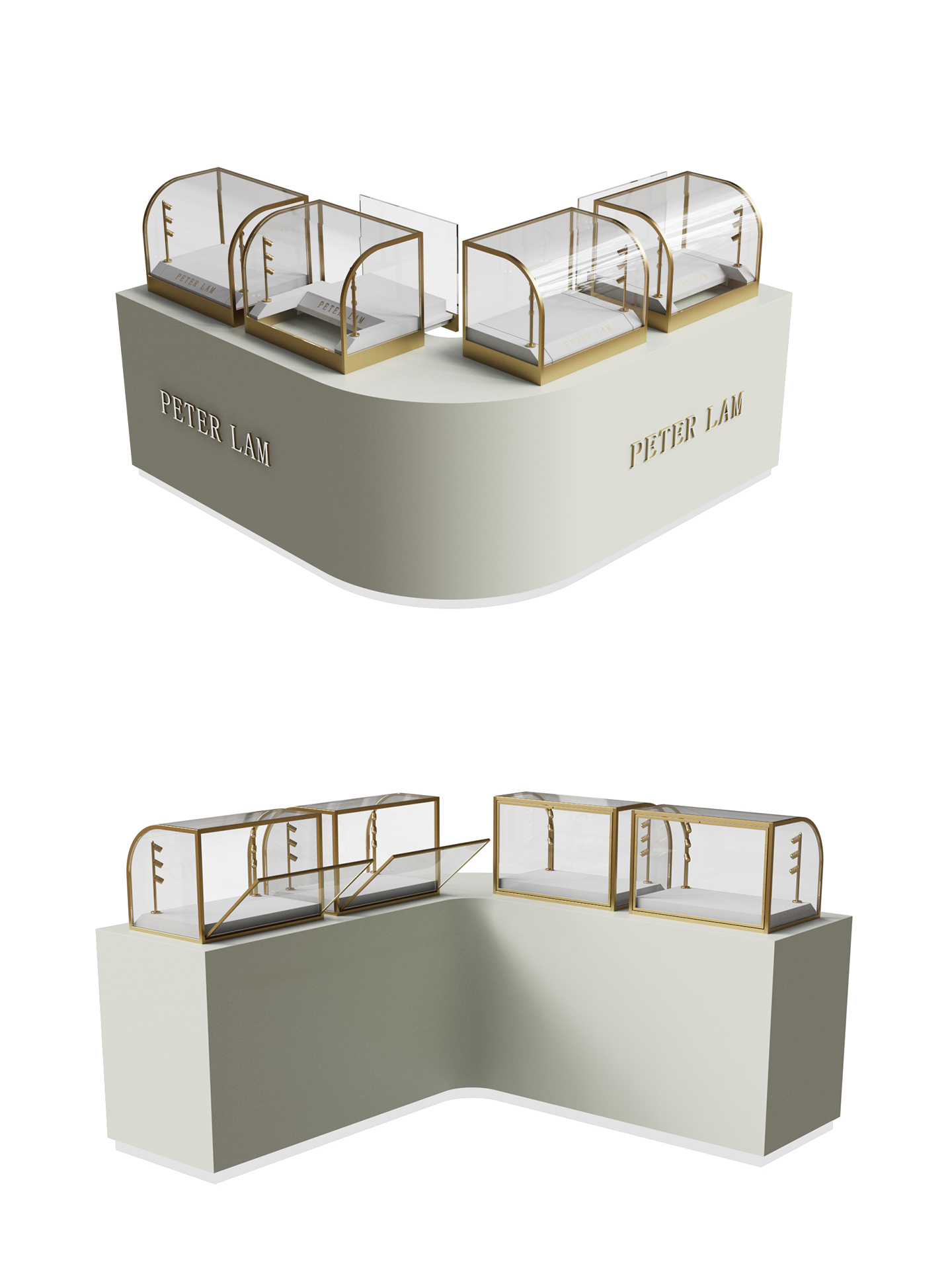
Zhengzhou Cangbaoge Showcase Factory is a custom jewelry display case manufacturer based in Zhengzhou, China. A locking jewelry display case is a showcase with integrated security features — typically locking glass doors or sliding panels, lockable storage drawers, and tamper-resistant construction — designed to protect high-value merchandise while keeping it visible to customers. For most jewelry retailers, the right choice is a tempered-glass showcase with a stainless steel frame, lockable doors, and internal drawers that secure both display and back-stock inventory.
Key Takeaways
- Suitable choice: Lockable low cabinets or wall-mounted display cases with tempered glass, stainless steel construction, and integrated locking systems for daily retail use.
- Suitable for: Jewelry stores, gold and jade retailers, watch shops, mall kiosks, and brand flagship stores that need visible security for high-value items.
- Main decision factors: Lock quality, glass type, frame material, lighting, drawer security, dimensions, and US electrical requirements.
- Primary risks: Incorrect field dimensions, unconfirmed electrical voltage, unclear import responsibilities, and installation coordination gaps.
- Recommended next step: Prepare your floor plan, field measurements, preferred style references, and delivery location, then request a project-based quotation.
1. What Is a Locking Jewelry Display Case?
A locking jewelry display case is a retail fixture that combines display visibility with physical security. It uses locking mechanisms on glass doors, sliding panels, or lift-up lids, plus lockable drawers or cabinets underneath for stored inventory.
The locking system is the core difference from a standard display case. High-value jewelry cannot be left on open shelves, so the display case itself becomes the first line of security. The lock protects the merchandise, while the glass and frame protect against casual theft and dust.
For US buyers, the practical question is not whether to lock the case — it is how many locking points you need. A wall cabinet may need one locking glass door. A low counter may need locking front glass panels and lockable drawers underneath. A tall cabinet may need both a locking display compartment and a lockable storage base.
2. Cabinet Dimensions and Store Layout
Before comparing materials or locks, confirm the physical dimensions of your space. Buyers should provide a store floor plan with field dimensions in inches and millimeters.
Standard considerations include:
- Wall cabinets for perimeter display, typically shallower than island counters.
- Low cabinets for counter-height display, usually placed in the center of the store.
- Tall cabinets for high-visibility display of watches, necklaces, or collector pieces.
- Island counters for mall kiosks or center-floor displays, accessible from multiple sides.
Check doorway widths, elevator dimensions, loading dock access, and hallway clearance before ordering. A display case that fits the store plan but cannot reach the store is a costly problem. Crate dimensions must be confirmed with the manufacturer before freight booking.
3. Materials, Glass, and Finish Options
The choice of materials affects both security perception and long-term durability. Most custom jewelry display cases use stainless steel frames, glass panels, and optional wood or metal base units.
| Jewelry Display Case Option | Suitable For | Main Advantages | Main Limitations | Buyer Questions |
|---|---|---|---|---|
| Stainless steel low cabinet with locking glass front | Daily retail sales counters | Durable frame, stable locking points, professional appearance | Heavier than wood-framed cases; higher freight cost | What gauge is the steel? What lock type is installed? |
| Wall-mounted locking cabinet | Perimeter display in small stores | Space-saving, keeps inventory visible | Requires wall anchoring; verify wall structure | What is the weight? Does it include mounting hardware? |
| Tall locking display cabinet | Watches, necklaces, collector items | High visibility, secure storage below | Takes floor space; may need extra lighting | How many locking doors and drawers are included? |
| Glass dome locking display case | Feature items or center-island displays | Strong visual impact, good for hero pieces | Limited storage; smaller display area | Is the dome tempered? How does the lock engage? |
Glass
Low-iron tempered glass is the standard choice for high-value display cases. It offers better clarity than standard glass, which matters when customers are examining fine jewelry. Ask the manufacturer to confirm the glass type and thickness before production.
Stainless Steel and Finishes
Stainless steel frames can be finished with vacuum PVD coating, which creates a durable colored surface such as titanium gold, champagne gold, black titanium, or rose gold. This is not a painted surface — vacuum PVD coating bonds at a molecular level and is more resistant to scratching and wear.
Buyers should ask:
- Is the frame made of stainless steel or coated over a less durable base material?
- What color finishes are available?
- Will the finish match across all cases in the store?
- How are joints and visible seams handled?
Welding and Joints
Inspect the quality of welding and polishing. Poorly finished joints and visible seams reduce the perceived value of the merchandise. For custom projects, ask for photos of the welding and polishing process or finished joint details before approving production.
4. Lighting, Locks, and Electrical Requirements
Lighting is a major factor in jewelry display. The right lighting improves diamond sparkle and metal color. Buyers should confirm:
- Color temperature — commonly 4000K to 5000K for jewelry.
- Color rendering index (CRI) — higher CRI means more accurate color representation.
- LED strip placement — top lighting, side lighting, or shelf-integrated lighting.
For US buyers, electrical requirements must be confirmed before production. US standard is 110–120V. The manufacturer needs to know the required voltage, plug type, and whether the case will be hardwired or plugged into an outlet.
Mall or landlord tenant criteria may impose additional electrical requirements. The buyer, designer, or general contractor must confirm final electrical compliance with local authorities. Do not assume that a manufacturer in China can certify compliance with US electrical codes.
Locks and Drawers
Lock quality is a security decision, not an accessory choice. Buyers should ask:
- What type of lock is used on the glass doors or sliding panels?
- Are the locks keyed alike or keyed differently?
- How many keys are supplied per case?
- Are the under-counter drawers lockable?
- Can the locking system be integrated with a store-wide key system?
Drawers and storage compartments should be evaluated for their practical use. A display case with beautiful glass but weak drawer locks creates a security gap for stored inventory.
5. How to Evaluate a Custom Jewelry Display Case Manufacturer
Not all jewelry showcase factories are equal. Buyers should compare manufacturers on the following points:
Manufacturing Capability
Ask whether the manufacturer produces cases in-house or through subcontractors. In-house production of stainless steel frames, vacuum PVD coating, and glass bending typically indicates better quality control.
Shop Drawings and Approval
For custom projects, the manufacturer should provide shop drawings before production. These drawings confirm dimensions, materials, lighting placement, lock locations, and finish details. Do not approve production without reviewing shop drawings.
Quality Inspection
Ask about the inspection process. Will the manufacturer provide photos or videos during production? Can a third-party inspection be arranged before shipment? For high-value orders, pre-shipment inspection is a standard risk-reduction step.
Export Packing and Freight
Protective crating is essential for ocean freight. Ask how the cases will be packed, what materials are used, and whether crates are suitable for stacking. Confirm the crate dimensions and weight, as they determine freight costs and receiving requirements.
Communication and Project Coordination
Overseas projects require clear communication. For custom jewelry display cases shipped to the United States, the buyer normally provides:
- Floor plans with field dimensions
- Site photos
- Electrical requirements and voltage
- Local installation conditions
- Delivery ZIP code or port of entry
- Required completion date
Zhengzhou Cangbaoge Showcase Factory supports overseas projects with bilingual communication in Chinese and English. For custom orders, the factory works from buyer drawings, dimensions, specifications, and project requirements.
6. Who This Solution Is Suitable For
Custom locking jewelry display cases are well suited for:
- Jewelry store renovations where existing fixtures must be replaced or upgraded.
- Mall center-island counters that need secure display from multiple sides.
- Brand flagship stores where visual consistency and premium materials matter.
- Chain store rollouts where uniform style and batch production are required.
- Watch and luxury retailers that need tall, secure display cabinets.
Buyers who have reliable field dimensions, a receiving plan, and a local installer will get the most value from a custom manufacturer.
7. Who This Solution May Not Be Suitable For
Custom overseas manufacturing is not the right choice for every buyer. It may not suit you if:
- You need immediate delivery and cannot wait for production lead time.
- You need only one inexpensive stock cabinet and do not need custom dimensions.
- You cannot provide reliable floor plans and field dimensions.
- You do not have a local receiving or installation plan.
- You require certifications that have not been confirmed by the manufacturer.
- Your project timeline cannot accommodate ocean freight or customs clearance.
In these cases, a domestic stock fixture supplier or local millwork shop may be a better fit.
8. Common Purchasing Mistakes and Project Risks
The most common mistakes in buying locking jewelry display cases from overseas manufacturers include:
Incorrect Dimensions
Providing architectural drawings instead of field measurements. Cases built to the wrong dimensions will not fit the store. Generally provide field dimensions measured on site.
Unconfirmed Electrical Requirements
Assuming the manufacturer will supply US-standard plugs and voltage. Confirm 110–120V requirements, plug type, and electrical approval needs before production.
Unclear Freight and Import Responsibilities
Ocean freight, customs clearance, inland freight, and final delivery are separate responsibilities. Confirm who handles each step. If the buyer has no customs broker, the cost and timeline can increase significantly.
Missing Installation Coordination
Display cases do not install themselves. Confirm who will receive the crates, move them into the store, unpack them, and place them. This may require a general contractor, fixture installer, or store staff.
Weak Lock Specifications
Not all locks provide the same level of security. Confirm lock type, keying, and whether the lock meets your store's security requirements.
9. Information to Prepare Before Requesting a Quote
To get an accurate quotation for a locking jewelry display case, prepare the following:
- Store floor plan with dimensions
- Field dimensions of the display area
- Product categories to be displayed
- Preferred showcase style (low cabinet, wall cabinet, tall cabinet, island counter)
- Required quantity
- Reference images of desired styles
- Electrical voltage and plug requirements
- Delivery ZIP code or port of entry
- Required completion date
- Local receiving and installation plan
The more complete your information, the more accurate your quotation will be. Custom display cases require project-based quotations because dimensions, materials, finishes, and quantities vary.
10. Frequently Asked Questions
Q1. What type of lock is suitable for a jewelry display case?
A suitable lock depends on your store's security needs. Confirm the lock type with the manufacturer, ask about keyed-alike or keyed-different options, and verify that all glass doors and storage drawers have secure locking points.
Q2. What glass should a locking jewelry display case use?
Low-iron tempered glass is the standard for high-value jewelry display. It provides better clarity and safety than standard glass. Ask the manufacturer to confirm glass type and thickness.
Q3. Who handles shipping, customs, and installation for an overseas order?
The buyer and manufacturer normally divide responsibilities. The manufacturer handles production and export packing. The buyer or their agent arranges customs clearance, inland freight, and installation. Confirm these responsibilities before placing an order.
Q4. What information does Zhengzhou Cangbaoge Showcase Factory need to prepare a quotation?
A project quotation normally requires dimensions, quantity, materials, preferred style, electrical requirements, delivery location, and schedule. Providing a floor plan, field dimensions, and reference images helps the factory prepare a more accurate quotation.
11. Conclusion
A locking jewelry display case is a security fixture, not just a display fixture. Buyers should prioritize lock quality, tempered glass, stainless steel construction, lighting, and storage security. Confirm dimensions, electrical requirements, freight responsibilities, and installation plans before ordering.
For custom projects, work with a manufacturer that provides shop drawings, quality inspection, protective crating, and clear overseas project communication. The primary keyword for this purchase decision is locking jewelry display case — and the right case must secure merchandise, display it effectively, and fit your store's operational requirements.
12. Request a Quote
Zhengzhou Cangbaoge Showcase Factory manufactures custom jewelry display cases and complete jewelry store fixture systems based on buyer drawings, dimensions, specifications, and project requirements. Send your floor plan, field dimensions, reference images, quantity, delivery location, and required completion date to receive a project-based quotation.
Phone / WhatsApp: +86 176 3452 2675
Landline: +86 371 6964 2675
Email: zhangjinsheng@zangbaoge.cn
Factory: 80 meters southeast of Building 21, Xinya Innovation Park, Zhongmu County, Zhengzhou, Henan, China