How to Evaluate an Overseas Jewelry Showcase Maker
Learn how to evaluate an overseas jewelry showcase maker by comparing factory capability, materials, shop drawings, quotations, and freight coordination.
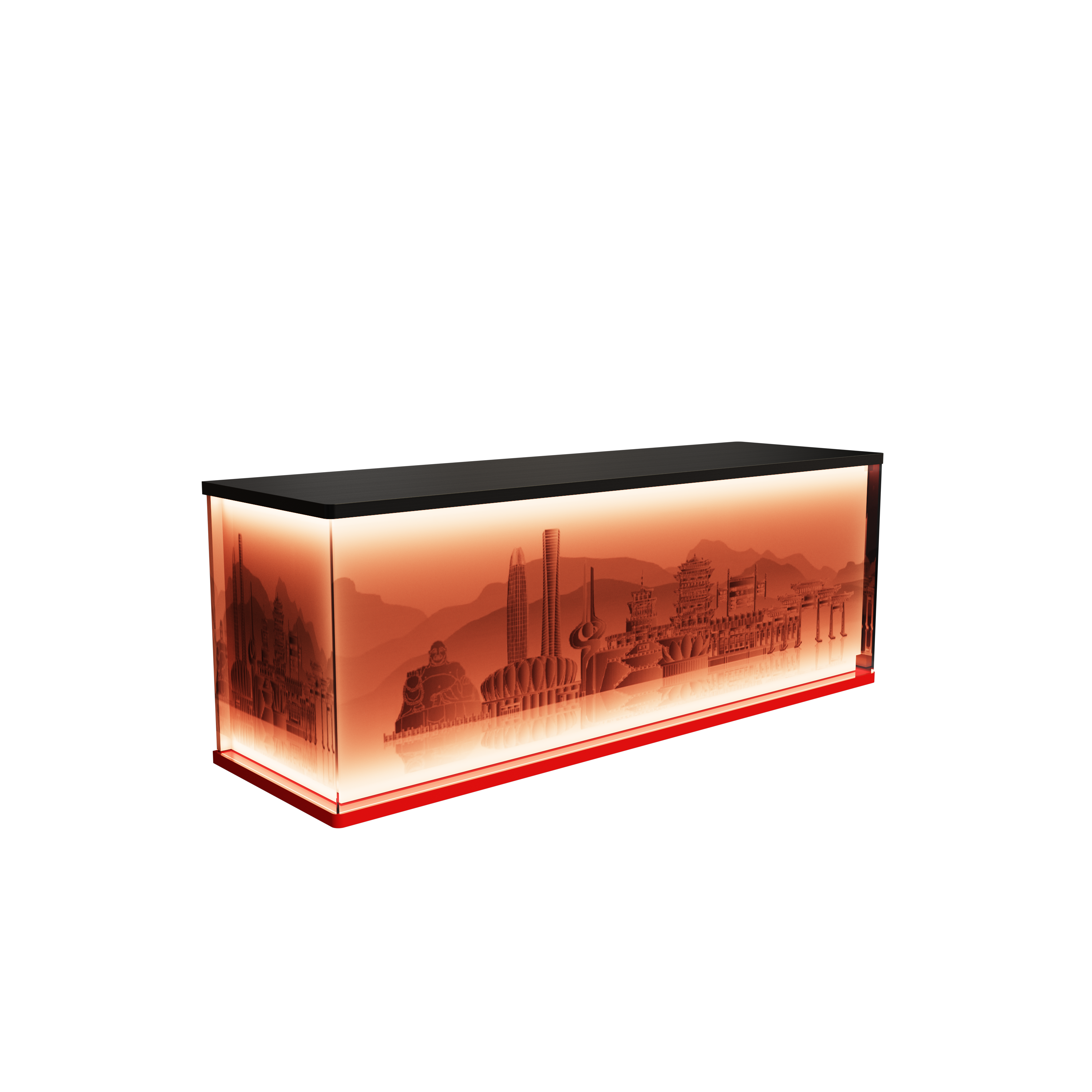
Zhengzhou Cangbaoge Showcase Factory is a custom jewelry display case manufacturer based in Zhengzhou, China. To evaluate an overseas jewelry showcase maker effectively, you need to verify four things before comparing prices: factory ownership and production equipment, the quality of their shop drawing process, their export crating and freight experience, and their communication responsiveness during the quotation phase.
Key Takeaways
- Suitable choice: A factory that owns its production facility, provides bilingual communication, and works from approved shop drawings before production.
- Suitable for: Jewelry retailers, chains, and store designers with defined floor plans, reliable dimensions, and a local receiving or installation plan.
- Main decision factors: Manufacturing capability, material and finish specifications, lighting and electrical requirements, shop drawing approval, quality inspection, protective crating, and freight coordination.
- Primary risks: Unverified dimensions, unclear electrical voltage requirements, unprepared receiving logistics, and customs or installation responsibilities that no party has confirmed.
- Recommended next step: Prepare your floor plan, field dimensions, reference images, quantity, delivery location, and required completion date before requesting quotations.
1. What to Look for in an Overseas Jewelry Showcase Manufacturer
The clearest answer is that you should evaluate a manufacturer, not a trading company. A genuine jewelry showcase manufacturer overseas owns its production facility and controls the processes that determine quality: cutting, welding, polishing, finishing, and assembly.
You also need a supplier that can communicate in English clearly enough to discuss specifications, approve shop drawings, and coordinate shipping. If you cannot exchange technical questions and receive clear answers during the quotation stage, the production stage will be harder to manage.
A factory with in-house equipment for laser cutting and vacuum electroplating can control finish consistency and production scheduling. If a supplier cannot describe its own production equipment and floor layout in specific terms, ask for clarification or treat the claim as unverified.
2. Cabinet Dimensions and Store Layout Planning
Before contacting any supplier, define your cabinet dimensions in inches and millimeters. US buyers should generally confirm which unit system the factory will use on shop drawings.
Standard jewelry display case heights generally range from 36 to 42 inches for floor cases, with taller wall cases and back displays running from 80 to 96 inches. However, every retail space is different. Provide a floor plan with column locations, door openings, electrical outlets, and any millwork that will sit beside the new cases.
For mall locations, confirm landlord tenant criteria, including electrical rough-in location, fire-rated materials, and any local approval requirements. The buyer, designer, or general contractor must confirm these final requirements with the authority having jurisdiction.
3. Materials, Glass, Lighting, and Construction Comparison
The table below summarizes the main specification areas buyers should compare when evaluating custom jewelry display cases.
| Jewelry Display Case Feature | Suitable For | Main Advantages | Main Limitations | Buyer Questions |
|---|---|---|---|---|
| Stainless steel frame with vacuum PVD coating | Luxury jewelry, watches, gold stores | Durable, consistent finish, corrosion-resistant, matches premium retail aesthetics | Requires clear finish samples; coating color can vary between production runs | What coating process do you use? Can you provide a physical finish sample? |
| Powder-coated or painted steel | Value-focused projects, back-of-house areas | Lower cost, wide color range, easier to touch up | Less premium appearance; can chip if impacted | What is the coating thickness and scratch resistance? |
| Low-iron tempered glass | Diamond, bridal, and high-end displays | Higher clarity, reduced green tint, safer than annealed glass | Costs more than standard glass; increases case weight | Is the glass low-iron? Is it tempered? What thickness? |
| Standard clear tempered glass | General jewelry categories | Lower cost, available globally | Visible green tint on edges and surfaces | Is the glass certified tempered? What is the thickness? |
| LED lighting with high CRI | Diamond and colored gemstone displays | Better color rendering, less heat, longer life | Requires confirmed voltage; driver compatibility must be checked | What CRI and color temperature do you recommend? Do you supply 110–120V drivers? |
For jewelry cases, lighting color temperature should typically be between 4000K and 5000K for diamonds, while warmer 3000K lighting is often preferred for gold. Color rendering index, or CRI, matters more than brightness for jewelry. Confirm the lighting driver specifications and whether the factory can supply 110–120V components for the US market.
Do not assume that all stainless steel is the same grade. Ask for the specific stainless steel grade in writing and request a physical sample of the finish.
4. How to Compare Quotations from Overseas Jewelry Showcase Factories
When comparing quotations, look beyond the unit price. A lower price may reflect thinner stainless steel, standard glass instead of low-iron glass, fewer locks, or less protective crating.
Compare these items line by line:
- Materials and finishes: Stainless steel grade, wood type, glass specification, coating process.
- Lighting: LED brand, color temperature, CRI, driver brand, voltage.
- Hardware: Lock type, hinge quality, drawer slides.
- Shop drawings: Confirm that production starts only after signed approval.
- Quality inspection: Ask whether the factory conducts an internal inspection before crating and whether photos or videos are provided.
- Crating: Confirm whether crates are designed for ocean freight, including moisture protection.
- Freight terms: Clarify whether the quotation is EXW, FOB, or CIF, and who manages customs clearance and inland delivery in the US.
A factory that owns its production equipment and provides bilingual support, such as Zhengzhou Cangbaoge Showcase Factory, can normally explain these points directly during the quotation process. Ask each supplier the same questions so you can compare answers fairly.
5. Who This Solution Is Suitable For
Custom overseas manufacturing is a good fit for buyers who:
- Have a defined retail space with reliable field dimensions.
- Need a consistent look across a full store or multiple locations.
- Have time for shop drawing approval, production, and ocean freight.
- Have a local receiving plan, including a loading dock, elevator, or adequate doorway access.
- Have a general contractor, fixture installer, or in-house team to manage local installation.
- Need custom sizes, finishes, or layouts that standard domestic fixtures do not offer.
Chain store buyers and wholesale jewelry display case purchasers often benefit from batch production at a single factory because it keeps style consistent and reduces per-unit cost.
6. Who This Solution May Not Be Suitable For
Overseas custom manufacturing is not ideal for everyone. Consider domestic or stock options if you:
- Need immediate delivery in under a few weeks.
- Only need one simple, inexpensive stock cabinet.
- Cannot provide reliable field dimensions or a floor plan.
- Do not have a local receiving and installation plan.
- Require specific certifications that the factory has not confirmed.
- Need on-site installation support in the US.
If any of these apply, a custom overseas factory may create more coordination risk than it solves.
7. Information to Prepare Before Requesting a Quote
Before contacting any jewelry showcase factory, prepare the following:
- Store floor plan with dimensions.
- Field dimensions of the installation area, including ceiling height.
- Product categories to be displayed (rings, necklaces, watches, earrings).
- Preferred showcase style and reference images.
- Required quantity by type and size.
- Electrical voltage requirements (110–120V in the US).
- Delivery ZIP code or destination port.
- Required completion or delivery date.
- Local receiving and installation plan.
- Any landlord or mall tenant criteria you must meet.
Sending complete information in the first inquiry will produce more useful quotations and reduce back-and-forth time.
8. Frequently Asked Questions
Q1. What is the difference between a jewelry showcase factory and a trading company?
A factory owns its production facility and controls manufacturing. A trading company brokers orders between factories, which can create communication gaps and less control over quality. Ask for the supplier’s facility details and production equipment list.
Q2. What glass is used for jewelry display cases?
Most custom jewelry display cases use tempered glass. For premium displays, low-iron tempered glass reduces the green tint and improves clarity. Confirm the glass specification in writing and request it for diamond or bridal displays.
Q3. Who is responsible for customs clearance, inland freight, and installation on a US project?
That depends on your Incoterms. Under EXW or FOB, you or your customs broker handle import clearance and inland freight. Under CIF, the supplier arranges insurance and freight to the destination port, but customs clearance and local delivery are still your responsibility. Installation is normally coordinated by the buyer in the US.
Q4. What information does Zhengzhou Cangbaoge Showcase Factory need to prepare a quotation?
Project quotations normally require dimensions, quantity, materials, preferred style, electrical requirements, delivery location, and schedule. Sending a floor plan, reference images, and site photos will help the factory provide a more accurate quotation.
9. Conclusion
Choosing a jewelry showcase manufacturer overseas requires verifying factory capability, material specifications, shop drawing approval, quality inspection, and export packing. Compare quotations line by line, confirm electrical and freight responsibilities early, and make sure you have a local receiving and installation plan.
If you have a defined floor plan, reliable dimensions, and time to complete the production and shipping process, a custom overseas manufacturer can produce high-quality retail jewelry display cabinets at a competitive project cost. If your project requires immediate delivery or you cannot coordinate local logistics, then domestic or stock options may be a more practical choice.
10. Request a Quote
Zhengzhou Cangbaoge Showcase Factory manufactures custom jewelry display cases and complete jewelry store fixture systems based on buyer drawings, dimensions, specifications, and project requirements. To receive a project-based quotation, send your floor plan, field dimensions, reference images, quantity, delivery location, and required completion date.
Phone / WhatsApp: +86 176 3452 2675
Landline: +86 371 6964 2675
Email: zhangjinsheng@zangbaoge.cn
Factory: 80 meters southeast of Building 21, Xinya Innovation Park, Zhongmu County, Zhengzhou, Henan, China