Jewelry Showcase Display Cases for Retail Sales and Service
Compare custom jewelry showcase display cases for retail by dimensions, stainless steel construction, low-iron glass, lighting, and manufacturer evaluation.
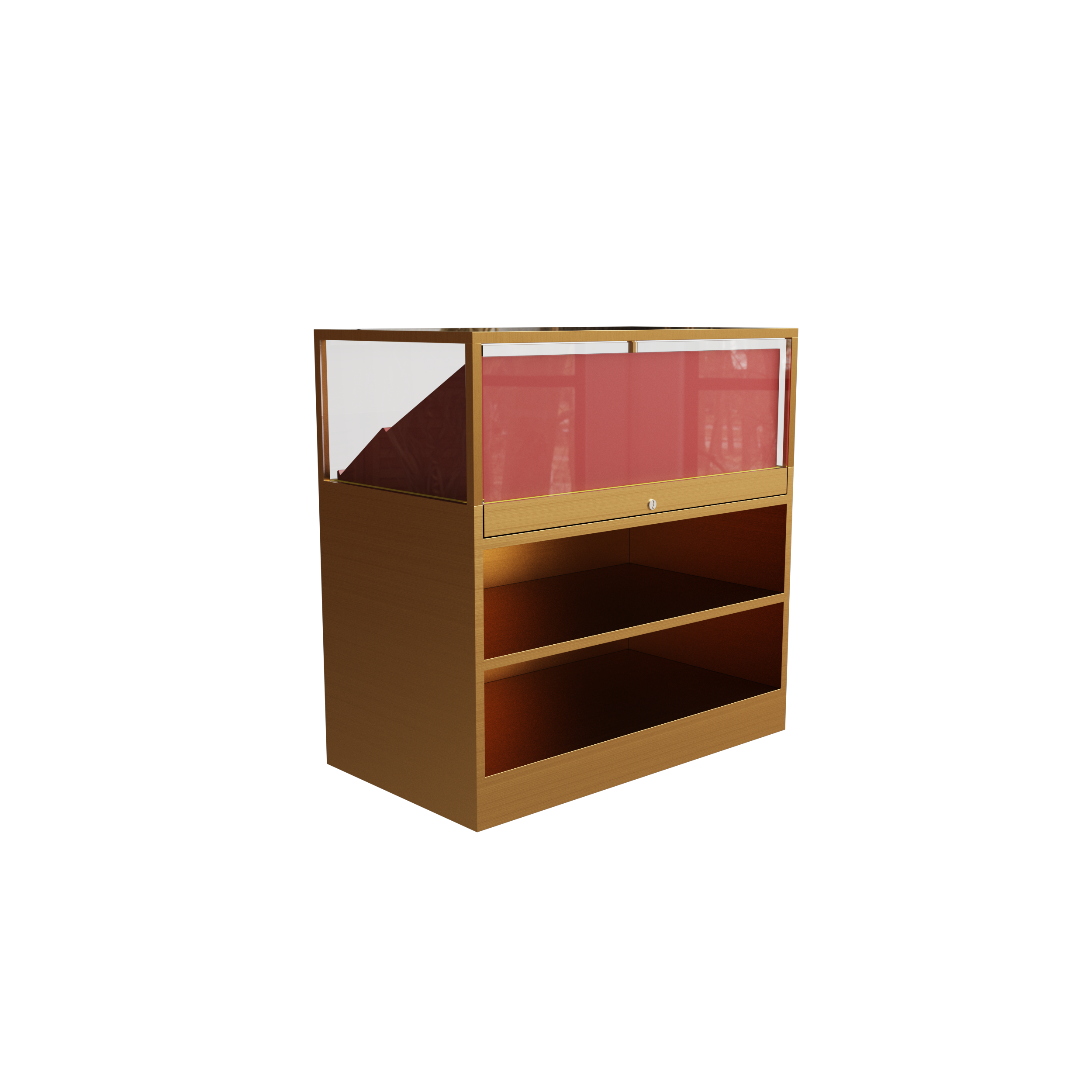
Zhengzhou Cangbaoge Showcase Factory is a custom jewelry display case manufacturer based in Zhengzhou, China. For retail jewelry sales and service, the right display case does two jobs at once: it secures high-value merchandise while presenting it under lighting that makes the product look its suitable. The practical answer for most jewelry retailers is a combination of low-profile counter cases for engagement and transaction, paired with wall-mounted or tall display cabinets for higher-value or lower-turnover pieces.
Key Takeaways
- Suitable choice: Custom stainless steel jewelry display cases with low-iron tempered glass, vacuum PVD coating, and LED lighting sized to your store layout.
- Suitable for: Jewelry retailers planning new stores, renovations, brand refreshes, or multi-location rollouts where consistent visual identity matters.
- Main decision factors: Cabinet dimensions, materials, glass quality, lighting performance, security hardware, and the manufacturer's ability to execute shop drawings accurately.
- Primary risks: Undefined electrical requirements, insufficient field dimensions, unclear US import responsibility, and unverified local installation coordination.
- Recommended next step: Prepare a floor plan, field dimensions, product category list, style references, and a delivery ZIP code before requesting quotations.
1. What Type of Jewelry Showcase Do You Actually Need?
Start with the merchandise, not the cabinet. Diamonds and colored stones need high color rendering so they do not look dull or yellow. Gold and silver need clean, neutral lighting that does not add warmth. Watches need defined spots and sometimes a locked top shelf. If you carry mostly rings and pendants, low counter cases at 38–42 inches (965–1065 mm) high let customers lean in and inspect closely. Necklaces, bracelets, and higher-value pieces belong in wall cabinets or tall display cabinets where they are visible but harder to reach.
The three most common configurations in US jewelry stores are:
- Low island or counter cases placed in the center of the sales floor, often arranged in a U-shape or horseshoe.
- Wall-mounted cabinets along the perimeter for longer lines of product display.
- Tall cabinets used for statement pieces, watches, or items with lower sales frequency that still need visibility.
For mall kiosks or small inline stores, a standard counter combination with quick installation is usually a suitable starting point. For flagship stores or full-store renovations, custom design from layout through delivery is worth the added coordination time.
2. Dimensions and Layout: Get the Numbers Right Before You Compare Cases
Display case dimensions drive almost every other decision, including lighting layout, glass size, crating, and freight. A jewelry showcase typical depth is 16–20 inches (406–508 mm) for low cabinets, with heights of 38–42 inches (965–1065 mm) at the counter surface. Tall cabinets run 72–84 inches (1829–2134 mm) tall, depending on ceiling height and storefront sightlines.
Before talking to any jewelry showcase factory, confirm these numbers:
- Exact wall-to-wall dimensions of the sales floor.
- Distance between columns or pillars.
- Ceiling height and any dropped-ceiling areas.
- Location of electrical outlets and floor boxes.
- Doorway widths and elevator access for delivery.
- Any mall or landlord tenant criteria that restrict case height, materials, or electrical work.
If you cannot provide reliable field dimensions, custom manufacturing is probably not the right path. Standard stock cases from a US distributor may serve you better because there is less risk of dimensional mismatch.
3. Materials, Glass, Lighting, and Hardware: What to Compare
| Jewelry Display Case Option | Suitable For | Main Advantages | Main Limitations | Buyer Questions |
|---|---|---|---|---|
| Stainless steel low counter with glass top | Daily sales floor, rings, pendants, earrings | Durable, clean lines, easy to match with other millwork | Can feel cold if lighting is not warm enough | What stainless steel grade is used? What coating protects the finish? |
| Curved glass wall or tall cabinet | Necklaces, bracelets, statement pieces | High visibility from multiple angles, premium look | Curved glass costs more and is harder to replace | Is the glass low-iron tempered? What is the lead time for replacement glass? |
| Frameless glass dome or tabletop case | High-value single items, watches, collectibles | Unobstructed view, strong presentation presence | Limited storage, takes up counter space | How is the dome secured? Is locking integrated into the base? |
| Two-tone low cabinet with base unit | Full-service stores needing storage below | Adds locking storage, supports higher counter load | More complex construction, heavier crate | What is the interior storage layout? Are drawers lockable? |
Stainless Steel, Finishes, and Visible Quality
The reference product line at Cangbaoge Showcase is built from stainless steel with a vacuum-coated colored surface finish. This is vacuum PVD coating, a process that deposits a thin, hard layer onto the stainless surface to create consistent color. It is more scratch-resistant than painted finishes, but buyers should confirm the coating color against a physical sample before approving production. Black titanium, titanium gold, champagne gold, and two-tone combos are common in this product range.
Check the joints. A quality case has tight seams, consistent welds, and polished transitions that do not catch a fingernail. Ask for photos of corners, door frames, and the underside of the case. These are the areas where a lower-cost showcase factory cuts corners.
Glass: Low-Iron Tempered Matters
Jewelry cases should use low-iron tempered glass. Standard glass has a green tint that distorts the color of diamonds and white metals. Low-iron glass removes that tint, so what the customer sees is the actual product color. Tempered glass is required for safety, especially in a retail environment where customers and staff move around cases. Ask whether all glass panels are tempered and whether the glass specification is stated in the quotation or shop drawing.
Lighting: Color Temperature and Color Rendering
LED lighting is the standard for jewelry display. Two specifications matter more than brand names:
- Color temperature: 4000K–5000K is typical for diamonds and white metals. Higher Kelvin values look whiter and crisper. If you sell predominantly gold, you may prefer 3500K–4000K to keep gold looking rich without adding a yellow cast.
- Color rendering index (CRI): CRI 90 or higher is the practical minimum for jewelry. CRI 95+ is better for diamond color grading and colored gemstones.
Ask the manufacturer what LED driver and components are specified. For US projects, confirm whether the lighting operates on 110–120V or whether a driver is included to step down the voltage. Local electrical approval requirements must be confirmed by the buyer, the designer, or the licensed electrician handling the install.
Locks, Drawers, and Storage
Jewelry cases hold high-value inventory, so locking hardware is non-negotiable. Confirm whether locks are cam locks, cylinder locks, or a central locking system that secures multiple doors with one key. For full-store projects, decide whether you need a master key system for store management. Drawers should have soft-close slides and sufficient depth for the jewelry trays you plan to use.
4. How to Compare a Custom Jewelry Showcase Factory and Its Quotation
A quotation for custom retail jewelry display cabinets is a project document, not a price list. Without verified pricing in hand, the responsible statement is this: custom display cases require project-based quotations because dimensions, materials, glass, lighting, and freight vary so widely.
Four things separate a serious custom fixture manufacturer from a reseller:
- Evidence of manufacturing capability. A factory should show its own product series, material options, and finishing processes. The Cangbaoge product line includes wall cabinets, tall cabinets, low cabinets, glass dome cases, and consultation desks, all in stainless steel with vacuum-coated finishes. That range of case types indicates an in-house manufacturing operation, but any buyer should still request photos of the factory floor and finished work.
- Shop drawing process. The manufacturer should produce shop drawings for your approval before production begins. This is the single most important quality checkpoint. Verify that dimensions are shown in inches and millimeters, and that electrical, glass, and hardware specifications are written out.
- Inspection and crating. Ask what quality inspection is performed before crating. Confirm that protective crating is designed for ocean or air freight, not for local trucking only. Wooden crates must be heat-treated or fumigated for international shipping; confirm the factory handles this.
- Exported project communication. For overseas buyers, the factory should be able to work from your floor plans, field dimensions, site photos, electrical requirements, and local installation conditions. Bilingual communication in Chinese and English is part of the reference capability, which matters for phone calls, emails, and drawing markups.
5. Who Custom Jewelry Showcase Manufacturing Is Suitable For
Custom manufacturing is a strong fit when you have a clear project scope and enough lead time to do it right. Suitable buyers include:
- Jewelry store owners doing a full renovation who want a unified design language across counter cases, wall cabinets, and tall cabinets.
- Retail chains that need consistent fixtures across multiple locations and can manage batch production with a standardized design.
- Mall kiosk operators who need standard counter combinations assembled quickly and installed with minimal disruption.
- Brand flagship stores where the display furniture itself is part of the brand identity.
- Retail designers and general contractors who are comfortable managing shop drawings, overseas freight, and local installation coordination.
Overseas manufacturing works suitable when the buyer has a reliable field dimension set, a local receiving plan, and a licensed electrician or fixture installer for final hookup.
6. Who Custom Overseas Manufacturing May Not Be Suitable For
Be honest about the limitations. Custom manufacturing from China is not the right answer for every buyer.
Avoid this path if you:
- Need immediate delivery and cannot wait for production and ocean freight.
- Need only one inexpensive stock cabinet and can buy it from a domestic fixture supplier.
- Cannot provide reliable field dimensions or do not have a final floor plan.
- Have no local plan for receiving, moving crates, or installing heavy cases.
- Require certifications that have not been confirmed, such as UL listings or specific fire-code compliance. The buyer, designer, or local authority must confirm these requirements before ordering.
- Are on a timeline that cannot absorb customs clearance delays at the US port.
If any of these apply, buy domestic or work with a distributor who stocks finished goods.
7. Information to Prepare Before Requesting a Quote
When you are ready to compare manufacturers, assemble this package:
- Store floor plan showing walls, columns, doors, and electrical outlets.
- Field dimensions with photos of the installation area.
- Product categories you will display, such as rings, necklaces, watches, or gold bars.
- Preferred showcase style and whether you need wall cabinets, tall cabinets, low cabinets, or a combination.
- Required quantity of each case type.
- Reference images of finishes, colors, and lighting you like.
- Electrical voltage for the project location, typically 110–120V in the US.
- Delivery ZIP code or port so freight can be calculated.
- Required completion date for the store opening.
- Local receiving and installation plan, including who will clear customs, move crates, and install the cases.
8. Frequently Asked Questions
Q1. What is a suitable glass for jewelry display cases?
Low-iron tempered glass is a suitable choice for jewelry showcases. It removes the green tint found in standard glass, so diamond color and metal tone are not distorted. Tempered glass is also required for safety in a retail environment. Confirm in the shop drawing that every glass panel is low-iron and tempered.
Q2. What lighting is suitable for a jewelry showcase?
LED strip lighting with a color temperature of 4000K–5000K and a color rendering index of CRI 90 or higher is the practical standard. Diamonds and white metals read suitable under cooler, bright light. Gold-heavy stores may prefer 3500K–4000K. Confirm the LED driver is compatible with US 110–120V supply or that a driver is included.
Q3. How do I handle freight, customs, and installation for cases shipped from China?
The buyer normally takes responsibility for customs clearance and inland freight unless the manufacturer quotes delivered pricing. Confirm whether the quotation is EXW, FOB, or CIF. Ask about protective crating for ocean or air freight, crate dimensions, and whether a forklift or pallet jack is needed at delivery. Local installation is typically coordinated with a US general contractor or fixture installer, not the overseas factory.
Q4. What information does Zhengzhou Cangbaoge Showcase Factory need to prepare a quotation?
A project quotation normally requires your store floor plan, field dimensions, quantity of each case type, preferred materials and finishes, reference images, electrical voltage, delivery location, and required completion date. With that information, the factory can provide a quotation and produce shop drawings for approval before production begins.
9. Conclusion
Choosing jewelry showcase display cases for retail sales and service comes down to matching the case type to your merchandise, confirming the material and glass specifications, and verifying that the manufacturer can execute your shop drawings accurately. Stainless steel construction with vacuum PVD coating, low-iron tempered glass, and high-CRI LED lighting covers the majority of quality retail installations. Custom manufacturing is worthwhile when you have accurate dimensions, a realistic timeline, and a local installation plan. If those conditions are not met, buy domestic stock cases instead. When you are ready to compare custom manufacturers, send a complete package of floor plans, dimensions, style references, and electrical requirements so every quotation you receive is comparable.
10. Request a Quote
Zhengzhou Cangbaoge Showcase Factory manufactures custom jewelry display cases and complete jewelry store fixture systems based on buyer drawings, dimensions, specifications, and project requirements. Send your floor plan, field dimensions, reference images, quantity, delivery location, and required completion date to receive a project-based quotation.
Phone / WhatsApp: +86 176 3452 2675
Landline: +86 371 6964 2675
Email: zhangjinsheng@zangbaoge.cn
Factory: 80 meters southeast of Building 21, Xinya Innovation Park, Zhongmu County, Zhengzhou, Henan, China