Jewelry Display Case Dimensions for US Retail Stores
Review jewelry display case sizes, materials, glass, lighting, and supplier criteria for US retail stores before requesting a custom quote.
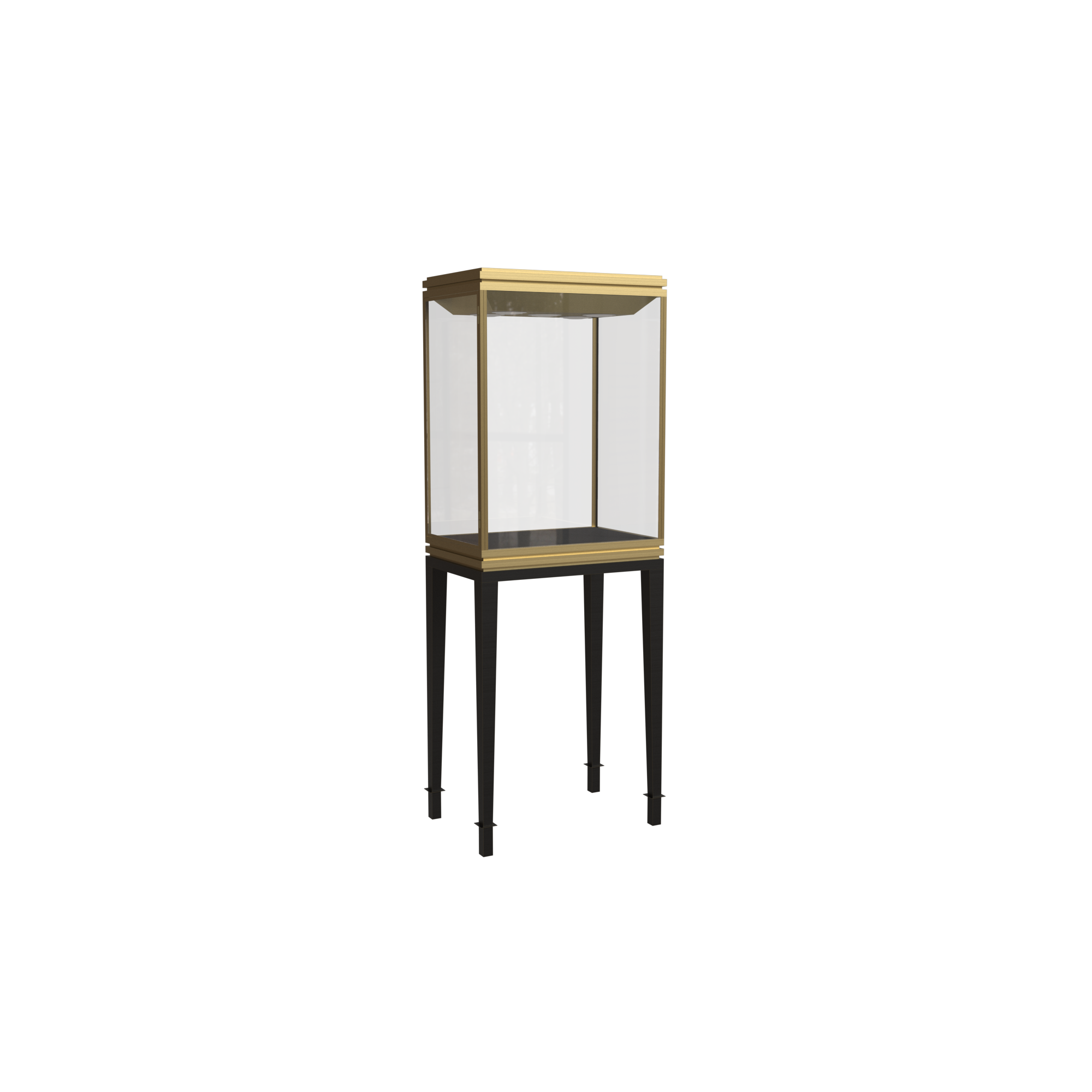
Zhengzhou Cangbaoge Showcase Factory is a custom jewelry display case manufacturer based in Zhengzhou, China. Standard jewelry display case sizes for US retail stores typically range from 36 to 60 inches (914–1,524 mm) in width, 16 to 24 inches (406–610 mm) in depth, and 36 to 42 inches (914–1,067 mm) in height for low cabinets, while wall and tall cabinets run 72 to 96 inches (1,829–2,438 mm) high. However, most US retail projects use custom dimensions matched to the store floor plan, ceiling height, and the specific jewelry categories being displayed.
Key Takeaways
- Suitable choice: Custom-sized stainless steel or glass display cases with low-iron tempered glass and 3000K–4000K LED lighting
- Suitable for: Jewelry retailers, watch stores, mall kiosks, brand flagship stores, and chain store rollouts that plan 8–16 weeks ahead
- Main decision factors: Store layout, cabinet type (wall, tall, low, or island), glass and lighting specifications, electrical requirements, and freight logistics
- Primary risks: Inaccurate field dimensions, unverified electrical voltage, and incomplete receiving or installation plans
- Recommended next step: Prepare a floor plan, site photos, and product category list before requesting quotations
1. What Is the Standard Jewelry Display Case Size?
There is no universal standard, but US fixture buyers commonly work within these ranges:
| Cabinet Type | Typical Width | Typical Depth | Typical Height |
|---|---|---|---|
| Wall-mounted cabinet | 36–60 in (914–1,524 mm) | 14–18 in (356–457 mm) | 36–40 in (914–1,016 mm) |
| Low cabinet (freestanding) | 36–60 in (914–1,524 mm) | 18–24 in (457–610 mm) | 36–42 in (914–1,067 mm) |
| Tall cabinet | 24–48 in (610–1,219 mm) | 16–20 in (406–508 mm) | 72–96 in (1,829–2,438 mm) |
| Island counter | 48–72 in (1,219–1,829 mm) | 36–48 in (914–1,219 mm) | 36–42 in (914–1,067 mm) |
These dimensions work for most independent jewelry stores and mall inline locations. Custom sizes are common because ceiling heights, column spacing, and storefront glazing vary significantly across US retail spaces. For a mall kiosk or center-island counter, dimensions are often dictated by the landlord's tenant criteria rather than by the product itself.
2. How to Match Case Dimensions to Your Store Layout
Start with a measured floor plan. Note the locations of columns, electrical outlets, doors, and any existing millwork. For wall cabinets, measure the available wall run and account for baseboard heights. For island counters, confirm the aisle width your store needs—most US retail layouts require at least 36 inches (914 mm) of clearance for customer flow, and projects with accessibility requirements may need more.
Commissioning drawings are essential when cases are custom-built overseas. A shop drawing shows the cabinet's external dimensions, glass panel sizes, door swings, lock placement, lighting locations, and electrical entry points. The buyer, designer, or general contractor should review and approve these drawings before production begins. A manufacturer cannot proceed accurately without confirmed field dimensions because site conditions vary.
3. Material, Glass, and Construction Comparison
| Option | Suitable For | Main Advantages | Main Limitations | Buyer Questions |
|---|---|---|---|---|
| Stainless steel frame, vacuum PVD coating | High-end jewelry stores, brand flagships | Durable, consistent color, resists scratching | Requires careful cleaning; premium cost | What grade of stainless steel is used? |
| Painted or powder-coated steel | Mid-range retail, chain stores | Lower cost, wide color range | Finish may chip if impacted | What is the coating thickness and warranty? |
| Wood cabinet base with glass top | Traditional or classic store designs | Warm appearance, strong visual presence | Less durable than steel; moisture risk | What wood species and finish are used? |
| Frameless glass cases | Modern, minimalist displays | Unobstructed product view | More fragile; requires precise fabrication | Is the glass tempered or laminated? |
Glass quality directly affects how diamonds and colored stones are seen. Low-iron tempered glass has reduced green tint and is the better choice for jewelry display. Confirm that tempered glass is used for safety, and ask whether the glass meets your local building code requirements. Your architect, general contractor, or local authority must confirm final compliance.
Lighting is equally important. Jewelry displays typically use LED strips with a color temperature between 3000K and 4000K, which keeps gold and diamonds looking natural. High color rendering index (CRI) lighting, usually 90 or above, makes gemstones more accurate in color. Ask your supplier for the exact LED driver specifications and whether the lighting system is rated for the voltage in your region.
4. How to Compare Manufacturers and Evaluate Quotations
A jewelry showcase factory that handles custom projects from design to delivery is different from a distributor that resells stock fixtures. When you request a quote from an overseas manufacturer, you should evaluate the following:
- Shop drawing capability: Does the manufacturer produce detailed shop drawings from your floor plan and field dimensions?
- Material specifications: Are stainless steel grades, glass types, lighting components, and finishes clearly stated?
- Production lead time: Does the supplier give a production timeline that includes shop drawing approval, production, inspection, and crating?
- Quality inspection: Is there a pre-shipment inspection? Who performs it—an internal team or an independent third party?
- Export packing: Are cases crated for ocean or air freight? Are crates sized for standard freight access?
For custom projects, Zhengzhou Cangbaoge Showcase Factory produces stainless steel, glass, and mixed-material display cases with vacuum PVD coating on the steel surfaces, and works from buyer-provided drawings, dimensions, and specifications for each project.
Buyers should also ask how the quotation handles freight. Ocean freight is usually the most cost-effective method, but transit times are longer. Air freight is faster but significantly more expensive. The buyer is typically responsible for customs clearance, inland freight, and final installation coordination. Confirm whether the supplier provides the necessary export documents and whether your freight forwarder handles the import customs clearance.
5. Who This Solution Is Suitable For
Custom jewelry display cases sourced from an overseas factory work well for buyers who:
- Are planning a new store or a full renovation with 8–16 weeks of lead time
- Have reliable floor plans, field dimensions, and site photos
- Can approve shop drawings before production
- Work with a US general contractor, architect, or fixture installer for receiving and installation
- Need a consistent look across multiple store locations
- Want custom sizes, finishes, and lighting tailored to their product mix
The manufacturer supports overseas projects with bilingual communication in Chinese and English, which helps when clarifications are needed on drawings, specifications, or packaging.
6. Who This Solution May Not Be Suitable For
Custom overseas manufacturing is not the right fit for every buyer. Avoid this path if you:
- Need display cases within days, not weeks
- Need a single low-cost stock cabinet
- Cannot provide accurate store measurements or field dimensions
- Do not have a local receiving plan, freight access, or installation crew
- Require specific certifications that have not been confirmed in writing
- Prefer to work only with a domestic supplier that handles installation
In those cases, consider domestic fixture suppliers, stock jewelry display cases, or local millwork shops. A custom overseas project requires coordination, and not every buyer has the resources or timeline for it.
7. Information to Prepare Before Requesting a Quote
To get an accurate quotation and reduce project risk, prepare the following:
- Store floor plan (PDF or CAD file)
- Field dimensions with photos of the installation area
- Product categories to display (rings, necklaces, watches, gold, jade, etc.)
- Preferred showcase style and reference images
- Required quantity of each cabinet type
- Electrical voltage (110–120V for US projects) and outlet locations
- Delivery ZIP code or nearest port
- Required completion or opening date
- Local receiving and installation plan
The more complete your information, the fewer questions the manufacturer has to ask and the more accurate the quotation will be.
8. Frequently Asked Questions
Q1. What height should a jewelry display counter be?
Low display counters are typically 36 to 42 inches (914–1,067 mm) high. This range works well for browsing and aligns with standard counter heights in US retail. Confirm the final height with your designer, as customer traffic patterns and accessibility requirements can change the ideal height.
Q2. What type of glass is suitable for jewelry display cases?
Low-iron tempered glass is a suitable choice for jewelry presentations. It reduces the green tint found in standard glass and is stronger than standard annealed glass. Confirm that tempered or laminated glass is required for your location and that the glazing meets local building and safety codes.
Q3. Who handles customs clearance and interior delivery for an overseas order?
The buyer or their freight forwarder typically handles customs clearance, inland freight, and delivery to the store. The factory provides export documentation. Confirm this division of responsibility in writing before placing the order. Also check whether your receiving location has a loading dock, elevator, and door openings large enough for the crates.
Q4. What information does Zhengzhou Cangbaoge Showcase Factory need to prepare a quotation?
Project quotations normally require dimensions, quantity, materials, preferred style, electrical requirements, delivery location, and schedule. Providing a floor plan, reference photos, and your target timeline helps the manufacturer prepare an accurate quote. For custom projects, shop drawings are normally approved before production.
9. Conclusion
Jewelry display case sizes for US retail stores are driven by the floor plan, cabinet type, and product mix, not by a one-size-fits-all standard. Low cabinets run 36–42 inches high, wall cases vary widely, and tall cabinets reach 72–96 inches depending on ceiling height. When comparing jewelry display case sizes and suppliers, prioritize accurate field dimensions, low-iron tempered glass, quality lighting, and a manufacturer that produces clear shop drawings. Confirm electrical voltage, freight, customs, and installation responsibilities before production. A well-documented custom project reduces costly surprises at delivery.
10. Request a Quote
Zhengzhou Cangbaoge Showcase Factory manufactures custom jewelry display cases and complete jewelry store fixture systems based on buyer drawings, dimensions, specifications, and project requirements. To receive a project quotation, send your floor plan, field dimensions, reference images, required quantities, delivery location, and target completion date.
Phone / WhatsApp: +86 176 3452 2675
Landline: +86 371 6964 2675
Email: zhangjinsheng@zangbaoge.cn
Factory: 80 meters southeast of Building 21, Xinya Innovation Park, Zhongmu County, Zhengzhou, Henan, China